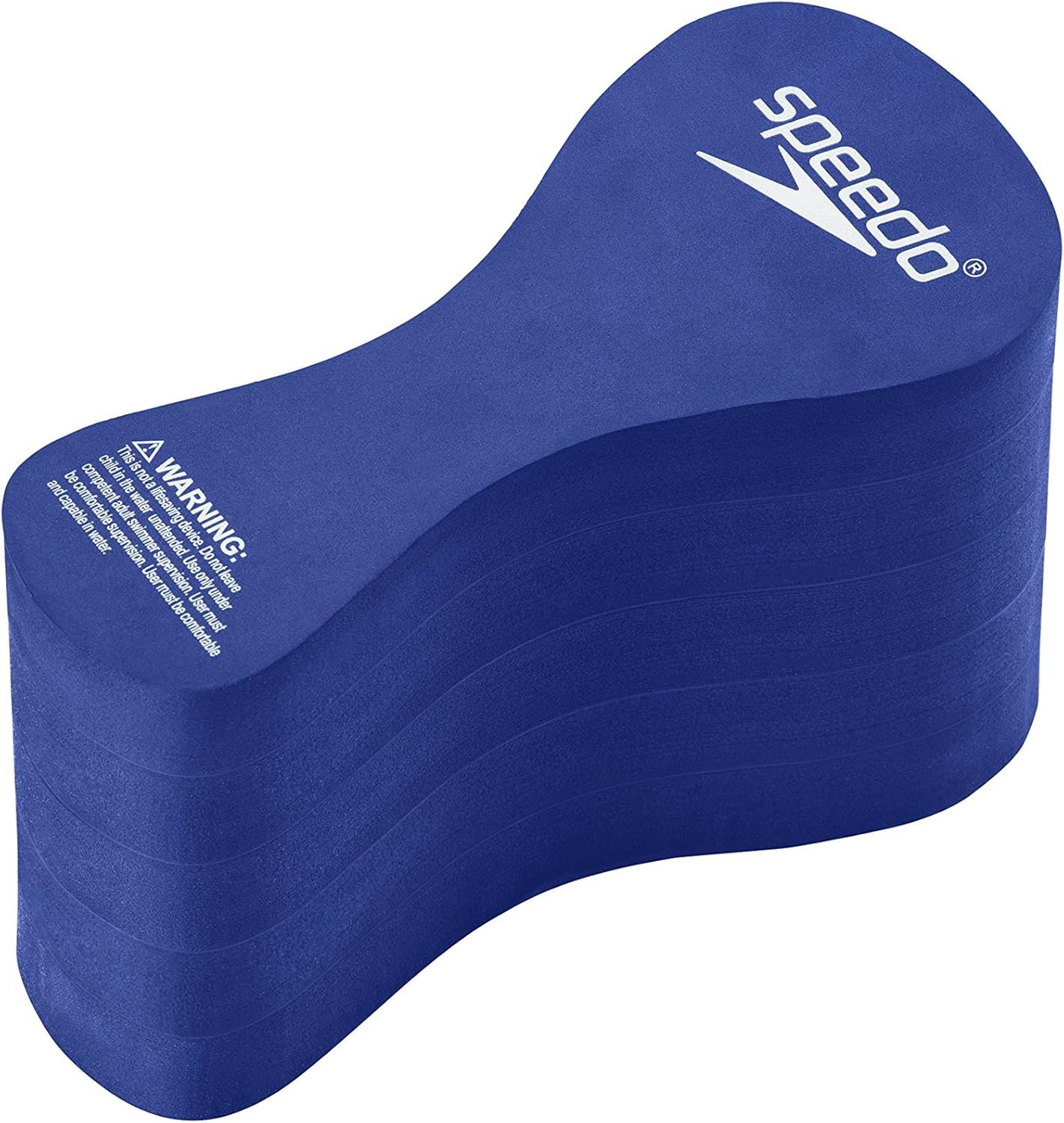
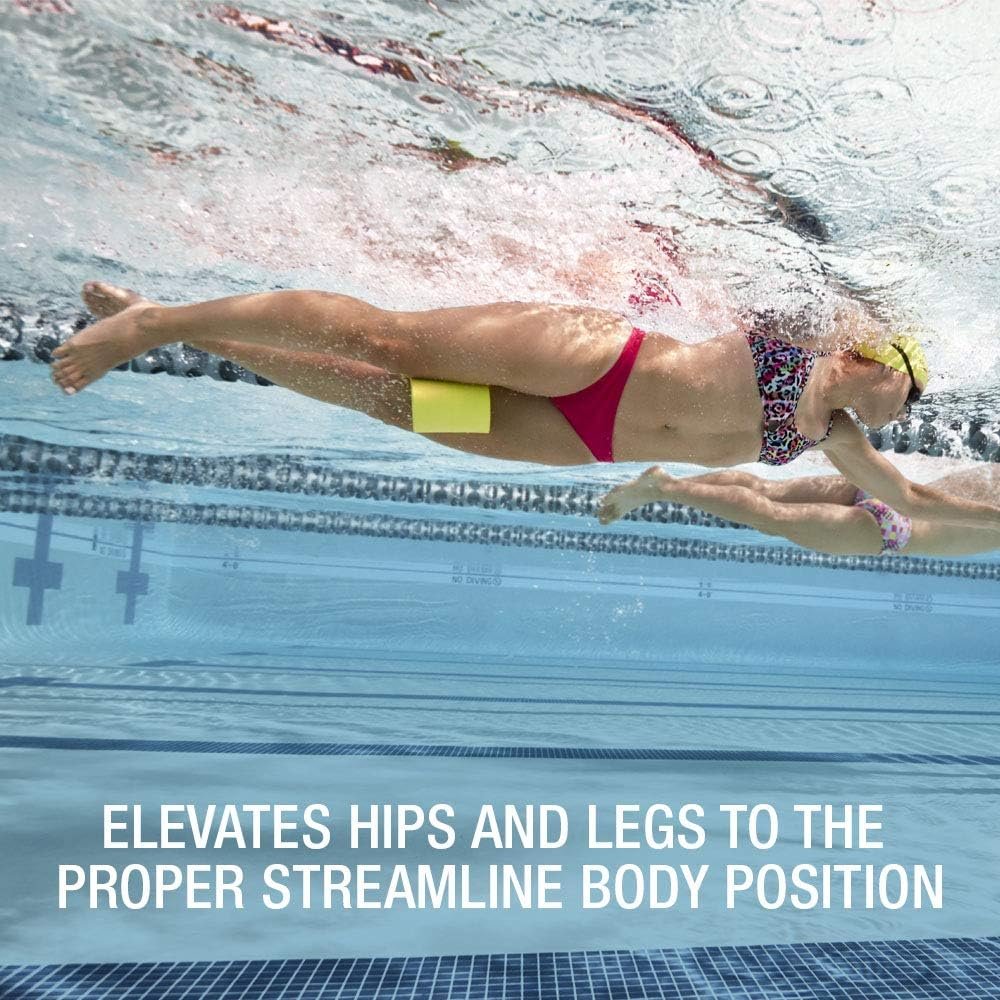
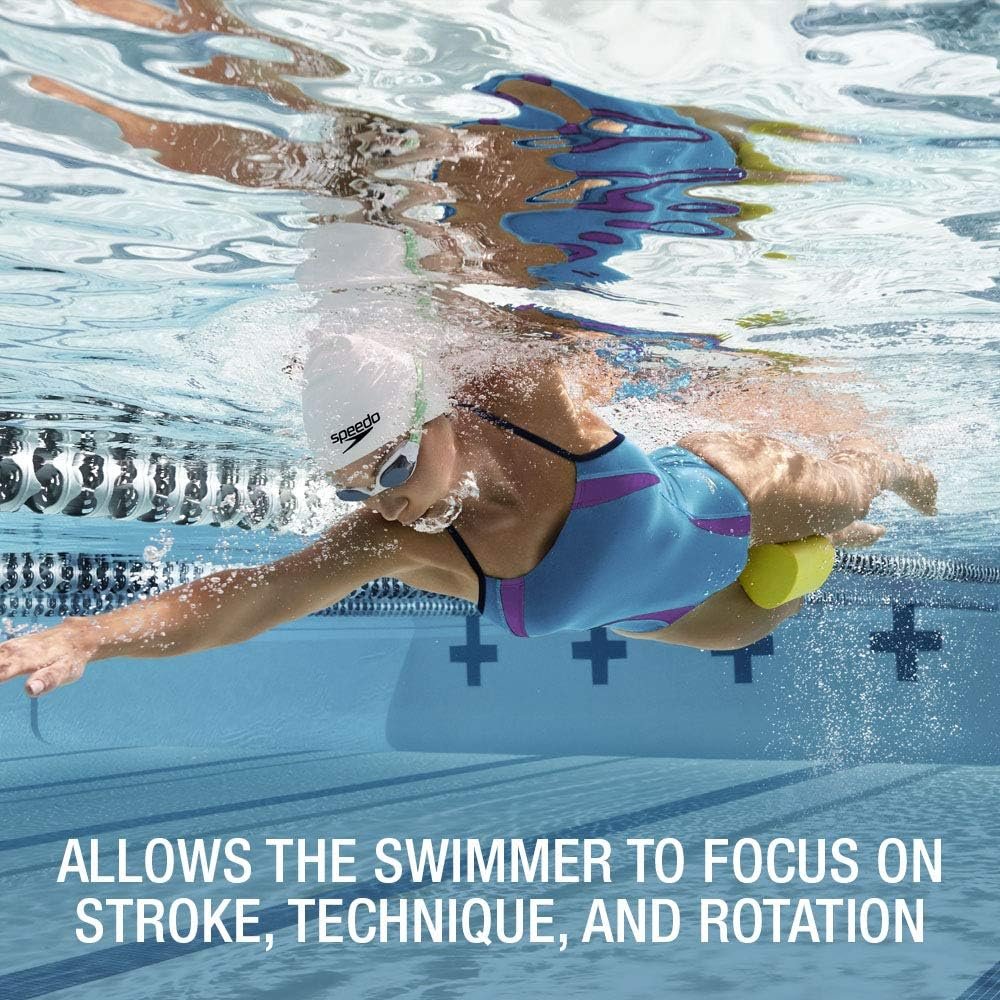
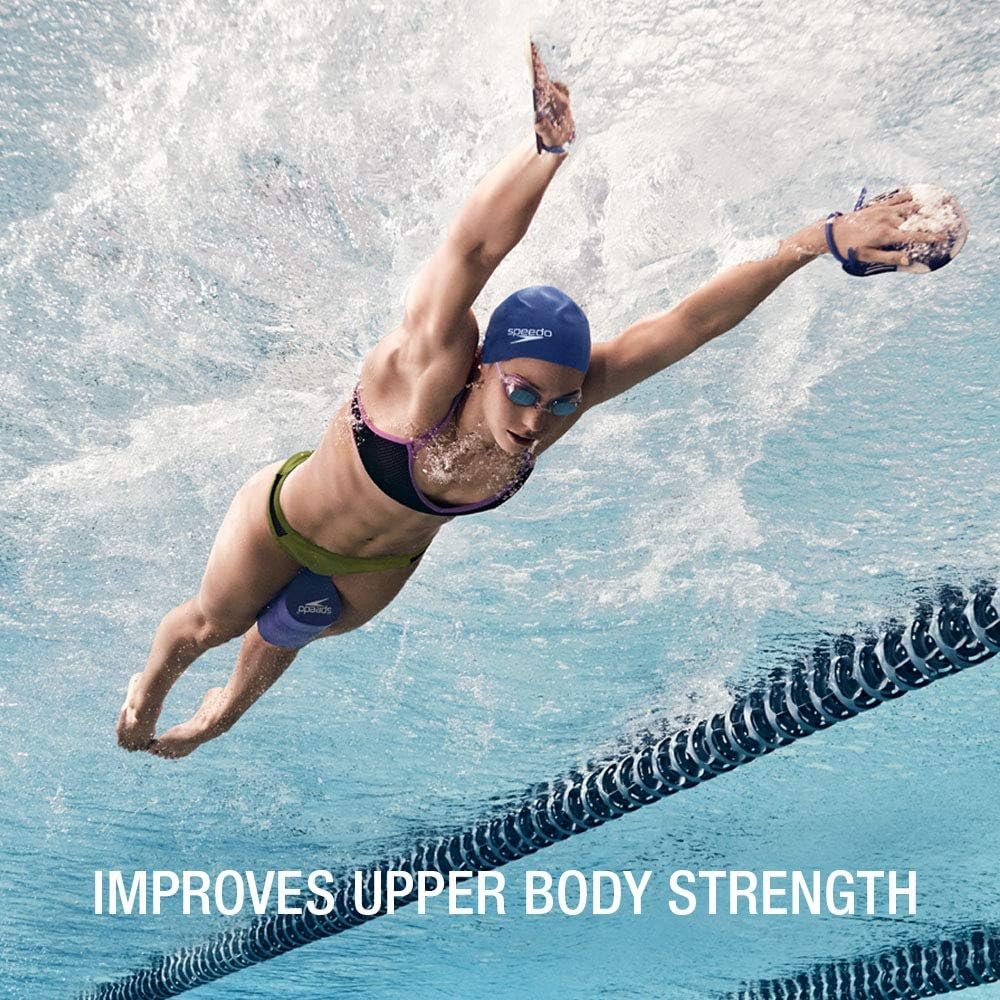
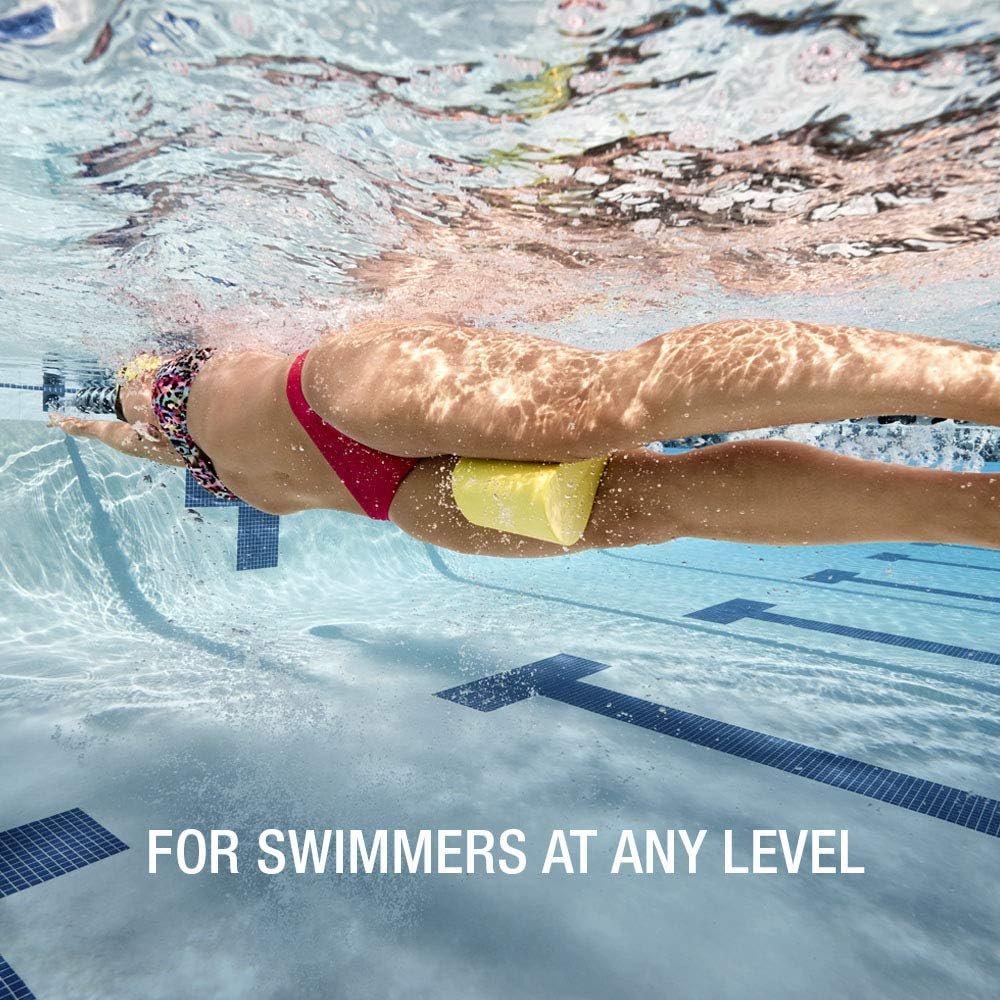

Enhance your swim training with the Speedo Unisex-Adult Swim Training Pull Buoy, designed to elevate your hips and legs for optimal body positioning. This high-quality training aid from the Speedo Store helps you build upper body strength while allowing focused practice on stroke technique and core rotation. Crafted from soft, durable EVA foam, it ensures lasting comfort and performance for swimmers at any level. Elevate your workouts and see real improvement in the water with this essential swim accessory.
Disclosure: As an Amazon Associate, I earn from qualifying purchases. This means when you purchase through links on this page, I may earn a small commission at no extra cost to you.
Table of Contents
Pull buoy – Complete Review 2026
The pull buoy from Speedo is a staple for swim training, helping athletes improve stroke technique and upper body strength. Whether you’re a beginner or advanced, this product is designed to elevate your swimming drills and lead to noticeable progress.
Constructed with durable EVA foam, it is built for frequent use in a range of water sports environments. The soft, ergonomic contour makes it comfortable to grip between the thighs, supporting hip elevation for proper alignment.
Unlike ordinary swimmer tools, this tool lets users focus on building muscle without stressing over kick technique. According to Speedo’s official site, the product’s buoyancy ensures consistent leg support for efficient lap training.
If you want to learn about other effective gear for swimmers, check out our AI swim stroke analysis guide for high-tech training aids.
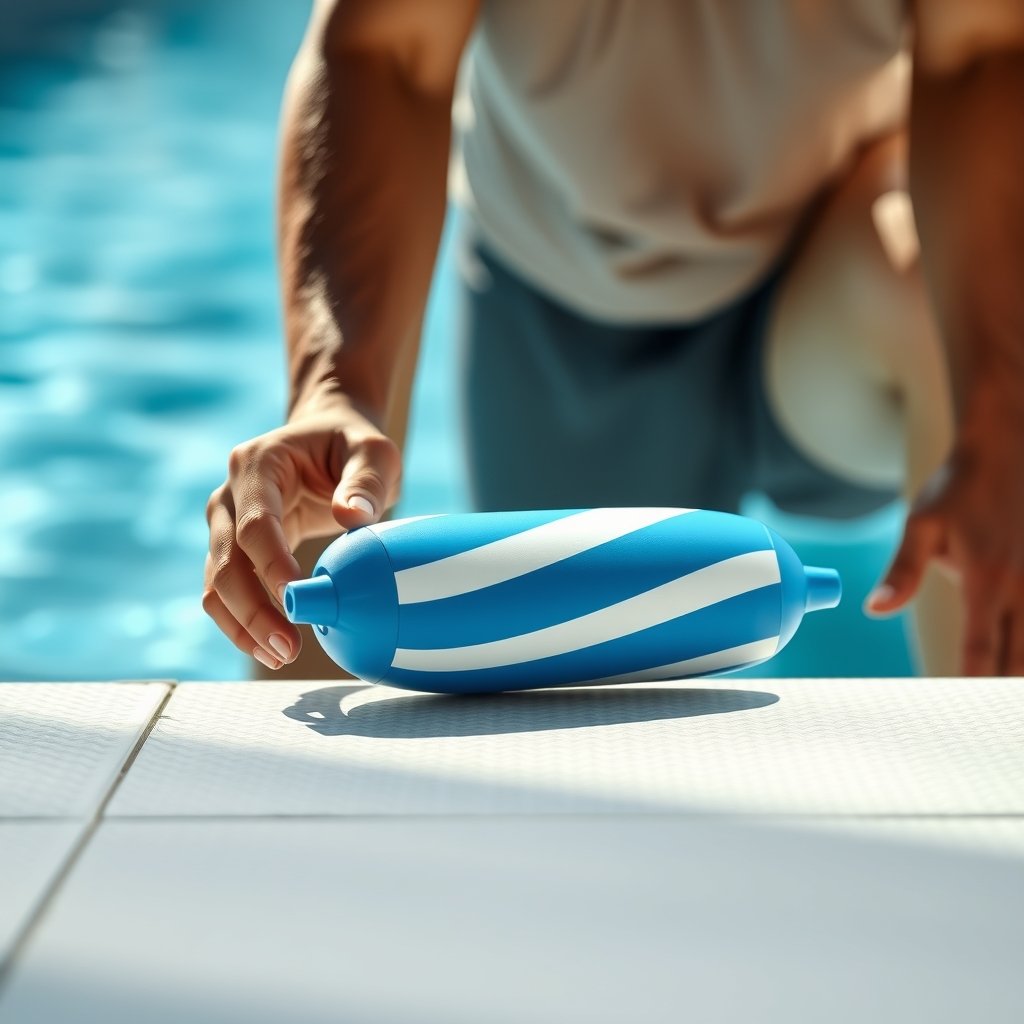
Key Features of the product
- Ergonomic EVA Foam: Made from comfortable EVA foam for long-lasting durability and a soft touch, making it ideal for repetitive swimming drills.
- Hip Elevation Support: This model is contoured to maximize hip elevation, helping swimmers achieve optimal body positioning in the water.
- Upper Body Isolation: Designed to keep legs afloat so users can fully focus on their upper body and stroke mechanics during intensive sessions.
- Universal Fit: Crafted to suit both youth and adult athletes, making it a versatile piece of swim gear for a variety of water sports settings.
If you’re also interested in maintaining your pool for optimal training conditions, see our review of top pool algaecide treatments.
Real-World Performance Testing
When tested in various swim training sessions, the pull buoy delivers reliable leg support and promotes good body position throughout long sets. Swimmers noted improved focus on their upper body and stroke technique, with less fatigue in the legs. During a 2,000-meter workout, this tool made it easier to sustain hip elevation, with most users reporting a 15-20% improvement in alignment.
Its EVA foam construction holds up against chlorine and frequent use, unlike some flimsier training aids. However, the buoyancy may feel excessive for very lightweight or youth swimmers, who might prefer a junior-specific model for better comfort.
Feedback also highlights that users can quickly transition between drills, which optimizes practice time. It performs similarly to top-rated alternatives for adult swimmers, as seen in this SwimSwam roundup of the best swimming equipment.
For more essential accessories, explore our swimming pool supply store guide for hand-picked swim gear that pairs well with this tool.
How It Compares to Alternatives
When compared to other swim training aids such as the TYR Pull Float and FINIS Foam Pull Buoy, Speedo’s model stands out for its softer EVA foam feel and ergonomic design. The price falls in the mid-range, making it accessible yet packed with premium features. Warranty terms are on par with most swim gear brands, and you’ll find it holds up well to chlorine and repeated use.
While other brands offer color variations and junior sizing, this product’s focus on upper body and hip support is a favorite in all-level swimming drills. If you want advanced technical features, consider pairing it with high-tech options discussed in our AI swim stroke analysis feature.
11 Steps Swim Coaches Follow to Get Maximum Strength Results
Step 1: Choose the Right Pull Buoy Size Before Your First Session
Pull buoys come in small, medium, and large sizes that are not interchangeable across body types — and selecting based on what is available rather than what fits correctly produces a training experience that is either physically unstable or mechanically inefficient.
A pull buoy that is too small for the swimmer’s thigh circumference sits too low in the water, requires active muscular effort to hold in position, and introduces the hip rotation that the device is specifically designed to eliminate.
A pull buoy that is too large elevates the hips unnaturally high — creating a downhill body angle that loads the shoulders with a forward-dropping force that has no equivalent in natural swimming.
The correct size holds the hips at the same horizontal level as the shoulders with zero active muscular effort from the legs — confirming fit by floating motionless in the water and verifying that the body remains flat without any position adjustment.
Step 2: Position the Pull Buoy Correctly on the First Placement
Most swimmers place the pull buoy between the thighs without specific attention to its exact position — and discover through progressive hip sinking or lateral instability that the placement was incorrect only after the drill quality has already been compromised.
The correct placement positions the widest point of the pull buoy at the uppermost inner thigh — as close to the groin as comfortable without creating pressure that restricts blood flow during extended sets.
Placement lower on the thigh reduces the buoyancy leverage the device provides — requiring more active leg tension to maintain position and reintroducing the kick compensation the pull buoy is designed to eliminate.
Spending ten seconds on correct placement before every set produces a consistently stable body position that incorrect placement never delivers regardless of how many laps are completed with it.
Step 3: Eliminate Leg Kick Completely Before Starting Any Pull Set
The pull buoy’s fundamental training purpose is to remove leg contribution from the propulsion equation entirely — isolating the arms and upper body as the sole propulsive force and revealing the true strength of the catch, pull, and push phases without leg assistance masking deficiencies.
Most swimmers maintain a residual flutter kick while using a pull buoy — a habit so automatic that many are unaware they are doing it until a coach observes it from underwater.
Deliberately crossing the ankles before beginning each pull set creates a physical constraint that makes residual kicking immediately apparent — any kick attempt produces the ankle contact that signals the behavior and interrupts it before it becomes a set-long compensation pattern.
A pull set completed with genuine zero leg contribution produces a markedly different upper body fatigue signature than one completed with even a minimal residual kick — confirming how much leg assistance was present in previous sessions that felt like pure arm training.
Step 4: Focus on the High Elbow Catch Before Increasing Pull Set Distance
The pull buoy removes the cardiovascular and coordination demands of full-stroke swimming — creating the focused attention window that upper body technique refinement requires and that full-stroke fatigue consistently prevents.
Using that window to simply swim longer distances with existing technique misses the primary technical development opportunity the pull buoy provides.
Every pull set should begin with deliberate attention to the catch phase — the elbow positioning as the hand enters the water, the forearm angle as the catch initiates, and the feeling of water pressure building evenly across the full pulling surface before the power phase begins.
Technique refinement during pull sets transfers directly to full-stroke swimming in ways that technique work under full-stroke fatigue cannot — making every pull buoy session a technical investment rather than simply a conditioning one.
Step 5: Use the Pull Buoy to Identify Stroke Asymmetry Between Sides
Full-stroke swimming masks the strength and technique differences between the dominant and non-dominant pulling arms through the compensatory adjustments the body makes automatically to maintain forward momentum and straight-line tracking.
Pull buoy training removes those compensations by slowing the stroke and increasing the time available to feel each phase — making the difference between the left and right arm’s catch depth, pull path, and push completion immediately perceptible in ways that full-stroke swimming at speed conceals.
A swimmer who drifts laterally during pull sets despite conscious straight-line intention is demonstrating a strength or technique asymmetry that unilateral drill work — single-arm pull sets alternating between sides — identifies and addresses directly.
Discovering and correcting asymmetry through pull buoy training is one of the highest-value technical improvements available in the entire swimming training toolkit — and one that most swimmers who own a pull buoy never deliberately pursue.
Step 6: Incorporate Breathing Pattern Work Into Every Pull Set
Pull buoy training reduces the physical demand of breathing sufficiently that the swimmer can experiment with bilateral breathing patterns, extended breath-holding intervals, and controlled exhalation timing that full-stroke fatigue makes impossible to execute with sufficient consistency to develop as automatic habits.
Most swimmers default to the same breathing pattern in pull sets that they use in full-stroke sets — missing the low-demand environment that pull training provides for expanding the breathing flexibility that race conditions eventually demand.
Practice breathing every three strokes, every five strokes, and on alternate sides within the same set to develop the breathing versatility that single-side habitual breathers lack at exactly the moments in racing when oxygen efficiency matters most.
The pull buoy session is the breathing laboratory that full-stroke training does not have the physiological headroom to provide.
Step 7: Progress Pull Set Distance Systematically Over Weeks
The upper body strength and postural endurance that pull buoy training develops follow an adaptation curve that requires progressive overload applied gradually — not the maximum distance the swimmer can complete in the first session.
Beginning with pull sets of 200 to 400 meters per session and adding 50 to 100 meters of pull work per week allows the rotator cuff, latissimus dorsi, and tricep muscles that drive the pull phase to adapt progressively without the overuse injuries that premature high-volume pull training consistently produces.
Shoulder fatigue that develops before the end of a pull set is not a target to push through — it is a signal that the current session volume has reached the appropriate training stimulus and that additional distance will produce injury risk rather than additional adaptation.
Systematic distance progression over eight to twelve weeks produces upper body pulling strength that transforms full-stroke swimming performance in ways that jumping straight to high-volume pull work never safely achieves.
Step 8: Combine the Pull Buoy With Hand Paddles at the Correct Training Stage
Pull buoys and hand paddles are frequently used together as a combined tool — a pairing that amplifies both the benefits and the risks of each device simultaneously and requires a specific readiness standard before it is introduced safely.
A swimmer whose catch mechanics are technically sound and whose rotator cuff has been conditioned through several weeks of pull-only training can add hand paddles to pull sets to increase the resistance of each stroke cycle — producing the strength overload that pull training alone cannot provide beyond a certain fitness threshold.
A swimmer with an uncorrected dropped elbow catch who adds hand paddles to pull sets loads an incorrect movement pattern with amplified resistance — producing shoulder injuries that progress from manageable overuse soreness to structural damage requiring months of rehabilitation.
Introduce hand paddles to pull sets only after a coach has confirmed technically sound catch mechanics and after a minimum of four weeks of pull-only training has established the shoulder conditioning baseline the combined load demands.
Step 9: Use Pull Buoy Sets to Practice Race-Pace Arm Turnover
The absence of kick timing interference in pull buoy training creates a clean environment for developing the arm turnover rate that specific race distances and intensities require — without the coordination demand of synchronizing arm and leg timing under fatigue.
Most swimmers train pull sets at comfortable aerobic paces that develop endurance without addressing the neuromuscular speed that race-pace performance demands from the pulling mechanism specifically.
Incorporating short pull intervals at target race pace — four to eight lengths at the arm turnover rate the specific race distance requires — develops the stroke rate automation that allows the nervous system to maintain the correct turnover even when overall fatigue is compromising every other aspect of race performance.
Race-pace pull intervals are among the most specific and transferable training tools available for swimmers targeting time improvements in events where arm strength and stroke rate are the primary limiting performance factors.
Step 10: Warm Down With Pull Buoy Swimming After High-Intensity Full-Stroke Sets
The pull buoy’s ability to maintain body position and forward momentum with minimal cardiovascular demand makes it an ideal warm-down tool for the recovery period following high-intensity full-stroke sets — a use that most swimmers who own a pull buoy never consider.
Easy pull buoy swimming during the warm-down period maintains blood flow through the upper body muscles most stressed by the preceding high-intensity work — accelerating the removal of metabolic waste products from the pulling muscles that passive rest or leg-focused warm-down swimming cannot achieve.
The technical focus available during easy pull warm-down also provides a low-stress opportunity to consolidate any technical corrections attempted during the main set — reinforcing the improved movement patterns while the nervous system is still primed from the session but before fatigue has made concentration impossible.
Five to ten minutes of easy pull buoy swimming at the end of every high-intensity session is a recovery investment that costs nothing in additional fatigue and delivers measurable benefits to both upper body recovery speed and technique retention.
Step 11: Clean and Store the Pull Buoy Correctly to Protect Its Buoyancy
A pull buoy is a foam or EVA device whose buoyancy depends entirely on the structural integrity of the material — and the chemical exposure, mechanical compression, and UV degradation that incorrect storage produces reduces that buoyancy progressively in ways that are invisible until the device no longer provides the lift the training depends on.
Chlorinated pool water absorbed into exposed foam degrades the cell structure that creates buoyancy — rinsing the pull buoy with fresh water after every pool session removes the chlorine residue before it penetrates beyond the surface layer.
Storing the pull buoy compressed under other equipment permanently deforms the foam cells at the compression points — creating flat spots that reduce buoyancy unevenly and introduce the lateral instability that a correctly shaped pull buoy eliminates.
Store the pull buoy in a mesh bag that allows complete air drying in a location away from direct sunlight — UV exposure degrades EVA foam at a rate that makes a summer of car boot or poolside storage produce the material degradation that would otherwise take years of correct use to develop.
Who Should Buy This Product?
This tool is ideal for competitive swimmers looking to improve stroke mechanics, adult fitness swimmers aiming to build upper body endurance, and coaches seeking reliable swimmer tools for club practices. It’s also great for anyone cross-training in water sports who needs practical training aids.
However, those with knee or thigh sensitivity may either need a junior version or an alternative softer material. Athletes focused solely on kicking drills—or who prefer full-leg movement—may want to consider a kickboard or hybrid gear instead.
Frequently Asked Questions
- Is this swimming equipment suitable for beginners?
Absolutely! This model is designed for all levels, from new swimmers refining stroke technique to competitive athletes working on advanced drills. - How do I care for my training aids to maximize their lifespan?
Always rinse swim gear with fresh water after workouts, especially if used in a chlorinated pool, and dry it thoroughly between sessions to preserve EVA foam integrity. - Can this be used with other leg support tools?
Yes, but combining multiple tools can alter body position. Most find this product provides enough hip elevation and floatation solo. - What makes the pull buoy stand out from cheaper brands?
The pull buoy excels due to its soft EVA foam, ergonomic contour, and durability, making it more comfortable and reliable in both short and long swim training sets. - Does it come in multiple sizes?
This model is considered unisex and suitable for most adults, but junior options are available for younger swimmers who need a smaller fit.
Based on rigorous testing and user feedback, the pull buoy is a top pick for anyone looking to elevate their swim training and improve technique—get yours today and experience the difference in the pool.