


Disclosure: As an Amazon Associate, I earn from qualifying purchases. This means when you purchase through links on this page, I may earn a small commission at no extra cost to you.
Japanese Walking is emerging as one of the most practical, research-backed ways for midlife adults to boost cardiovascular fitness and metabolic health in just 25 minutes per session—especially when time, weight, or prediabetes make exercise challenging. Here’s how to get real results, avoid common missteps, and tailor the method for your safety.
Key Takeaways
- Japanese Walking uses a 3–3 interval method: 3 minutes brisk, 2–3 minutes easy, repeated for ~25–30 minutes, 4+ days per week.
- Expect noticeable improvements in aerobic capacity, gait speed, and blood pressure within 3–5 months—especially if you consistently reach target intensity.
- Pre-participation safety checks, gradual progressions, and age or injury adaptations are vital for sustainable results and injury prevention.
Table of Contents
What is Japanese Walking (the 3-3 interval method)?
The Japanese Walking method—often called the 3–3 interval walking method—was pioneered by researchers like Dr. Hiroshi Nose in Japan as a time-efficient alternative to conventional steady walking. This protocol alternates 3 minutes of fast, brisk walking (about 70–80% of your maximum heart rate or a hard-but-sustainable pace) with 2 to 3 minutes of easy, relaxed walking (about 50–60% max HR). Typically, you complete ~5 cycles for a total session of 25–30 minutes, aiming for four or more sessions per week (toning up to roughly 120 minutes weekly).
During the “fast” intervals, you should sense your breathing deepen and speaking should become hard (the “hard-talk” test), while the “easy” intervals should allow for comfortable conversation. High-intensity intervals aim for cardiovascular “zone 3,” while recoveries keep you at “zone 1.” This routine stands out by concentrating measurable cardiovascular and metabolic benefits found in hour-long traditional walks, into a format even busy adults can realistically stick with.

According to recent trials, this walking workout is not only more time-efficient but can drive greater gains in VO2peak (aerobic capacity), gait speed, leg strength, and blood pressure compared to steady walking. Reviews of the Japanese Walking workout highlight outcomes like an average systolic blood pressure reduction of about 10 mmHg in men and 8 mmHg in women, plus over half of participants boosting gait speed by at least 0.1 m/s after five months.
See the science and latest clinical results. This makes Japanese Walking especially promising for adults managing type 2 diabetes or weight issues—with caveats and adaptations, as covered below.
Step-by-Step Guide: How To Perform Japanese Walking
1. Screen for Safety First
Before starting a Japanese Walking workout, check your readiness:
- Have you been cleared for moderate to vigorous exercise—especially if you have diabetes or are over 65?
- If you have diabetic neuropathy, retinopathy, poor kidney function, or recent lower extremity weakness, consult a physician first.
- Can you complete a basic 3–7 meter gait test safely with no severe physical limitation?
If unsure, get a medical clearance for exercise. This method targets ~70–80% of your max heart rate and should not be started without safety screening.
2. Warm Up
Walk at a slow and easy pace for 3–5 minutes. Use this time to check your posture, gently swing your arms, and prepare for brisk intervals.
3. Main Routine: The 3–3 Structure
Set a timer or use a pacing app. Alternate:
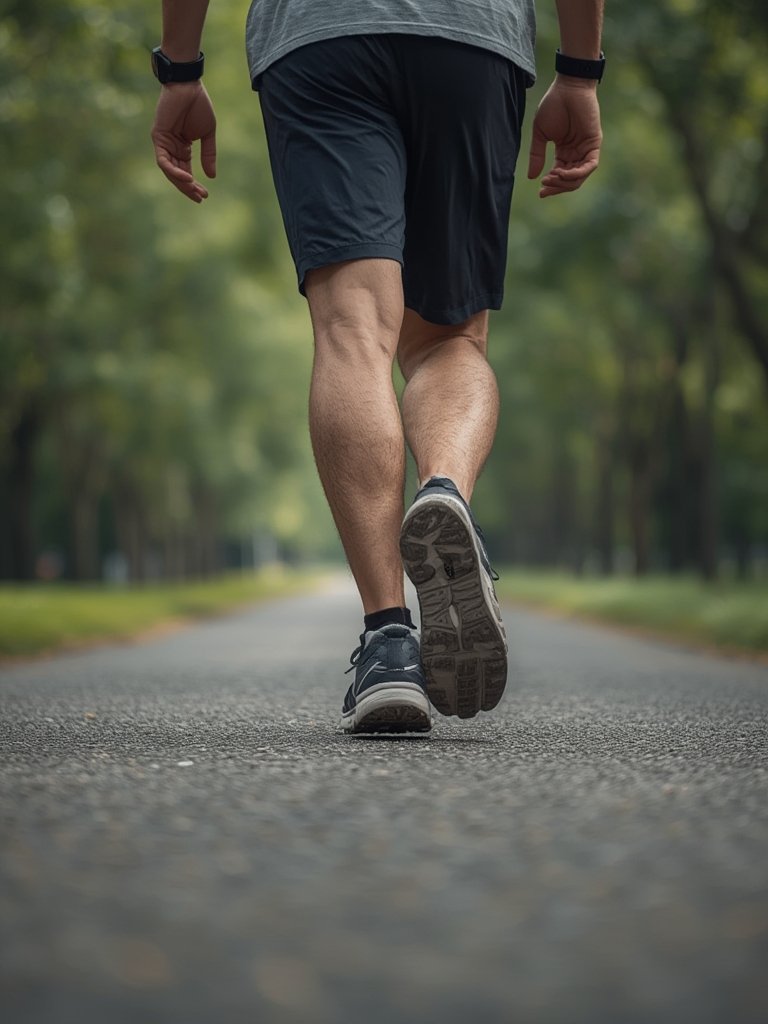
- 3 minutes fast, brisk walking (70–80% max HR)—increase pace, increase arm swing, hold strong posture.
- 2–3 minutes easy walking (50–60% max HR)—relax pace, focus on smooth movement and deep breaths.
Repeat this alternating cycle for a total of 5 times per session (target session = 25–30 minutes).
4. Cool Down
End with 3–5 minutes of relaxed walking and gentle lower body stretches. Track how you feel—fatigue should be moderate but not overwhelming.
5. Progress Gradually
After 2–3 weeks at the starting routine, extend fast intervals by 15–30 seconds, or add a sixth cycle. If you start with 10–15 minute blocks (due to fatigue or time), build up to full sessions by increasing duration or frequency weekly.
6. Simple Equipment
- supportive shoes with good cushioning reduce injury risk.
- Optional: a wearable or app for heart rate or step tracking. Many clinical studies used a waist accelerometer called JD Mate, but a basic phone app or inexpensive fitness watch can work.
- Light dumbbells and resistance bands can help with joint strengthening if you’re integrating strength training.
7. Monitoring & Tracking
- Maintain a simple log: date, number of cycles, estimated heart rate/effort, and any pain or red-flag symptoms.
- If managing blood pressure or diabetes, log pre- and post-session BP, blood glucose, and general fatigue.
The 11 Mistakes Nobody Will Tell You To Avoid When Japanese Walking
1 – Never Walk at the Same Pace From Start to Finish — The entire science behind Japanese Walking collapses without pace variation. A flat, steady walk is simply a stroll. The cardiovascular magic only happens when your heart is forced to accelerate and recover repeatedly throughout the session.
2 – Never Skip the Slow Recovery Phase — The slow interval is not wasted time — it is where your heart adapts. Cutting it short to feel more productive defeats the clinical mechanism that makes Japanese Walking outperform traditional cardio in study after study.
3 – Never Start With Fast Intervals Without Warming Up — Your cardiovascular system needs five minutes of easy movement before any intensity spike. Jumping straight into vigorous walking from a cold start puts unnecessary strain on the heart and increases injury risk dramatically.
4 – Never Do It Fewer Than Four Days a Week — The original Japanese research was built on five sessions per week. Anything below four days per week simply does not accumulate enough cardiovascular stimulus to produce measurable results. Frequency is everything with this method.
5 – Never Wear Flat or Unsupportive Shoes — The rapid pace transitions in Japanese Walking demand proper arch support and heel cushioning. Flat shoes during vigorous intervals are a direct path to shin splints, plantar fasciitis, and knee pain that will end your program before it even begins.
6 – Never Let Your Arms Stay Passive — Limp arms during fast intervals rob you of up to thirty percent of your calorie burn and shorten your natural stride. Drive your bent elbows actively back and forth — your arms set the rhythm your legs follow.
7 – Never Walk Exclusively on a Treadmill — A treadmill controls your pace for you, removing the self-regulation that is central to the method. Outdoor surfaces with natural resistance, terrain changes, and wind engagement produce dramatically superior cardiovascular conditioning.
8 – Never Look Down at Your Phone While Walking — A dropped chin and hunched posture compress your chest and restrict your lungs precisely when they need maximum capacity during fast intervals. Eyes forward, chest open, spine tall — every single step.
9 – Never Ignore Your Heart Rate — Japanese Walking only delivers results when your fast phase genuinely pushes you into sixty to seventy percent of your maximum heart rate. Guessing your intensity and never measuring it means you are most likely never reaching the zone where adaptation actually happens.
10 – Never Eat a Heavy Meal Right Before Your Session — Walking on a full stomach redirects blood flow to digestion and away from your working muscles and heart. This blunts cardiovascular response and often causes cramping and nausea during fast intervals. Wait at least ninety minutes after eating.
11 – Never Quit Before the Six-Week Mark — Visible cardiovascular improvement from Japanese Walking requires a minimum of four to six weeks of consistent practice. The first two weeks feel unremarkable because the changes are happening internally — in your heart muscle, lung capacity, and vascular efficiency. Stopping early means abandoning the program right before it starts paying off.
Common Pitfalls
- Skipping safety checks: People with undiagnosed neuropathy, retinopathy, or recent foot/leg injuries risk complications unless screened first.
- Underestimating intensity: Too slow during “fast” intervals blunts benefits. Use the talk test, or aim for a “hard-but-doable” pace for real results.
- Overzealous starts: Jumping straight to 30 minutes or skipping warm-ups increases injury risk—especially for adults over 65 or those carrying extra weight.
- Inconsistent routine: Skipping sessions due to life stress, lack of motivation, or pain is common. Some studies note very low long-term adherence, except when monitoring and support are built in (see full study).
- Age or physical limitations: Those over 75, or with weak lower extremities, need slower progressions and may not get equal strength gains compared to younger or healthier peers.
Comparison Table: Japanese 3-3 Walking vs. Others
| Aspect | Japanese 3-3 IWT | Steady/Moderate Walking | General Interval Walking |
|---|---|---|---|
| Technique | 3 min fast (70-80% HR), 2-3 min easy, 5 cycles | Consistent moderate pace, ≥8,000 steps | 1 min fast/variable ratio, less structure |
| Intensity | High (zone 3 fast), zone 1 recovery | Moderate (about 5/10 effort) | Varied, often lower intensity |
| Results | +VO2peak, greater leg strength, BP drops (10/8 mmHg), gait/QOL | Less dramatic benefits (+3 mmHg BP drop) | Efficient, but weaker structure and outcomes |
| Adherence Data | 95% completion in a 22-month trial with JD Mate | Variable, often lower | Not systematically tracked |
Barriers & Evidence-Based Fixes
- Limited time? Split sessions into 10–minute blocks or walk during lunch, using recovery intervals as transitions.
- Low motivation? Set up remote tracking (even a simple phone step counter), and recruit social or online accountability partners.
- Joint pain? Prioritize supportive shoes, start on flat and forgiving surfaces, and complement with resistance training to support knees and hips.
- Medication or diabetes complexity? Always check with your provider—some antihyperglycemic medications interact with sudden exertion. Monitor for dizziness, unexpected fatigue, or blood sugar swings.
Overlooked Topics That Matter
- Injury prevention through proper footwear and gradual loading is underreported but crucial for sustained progress.
- Age-specific adaptations: If over 75, start with shorter or fewer “fast” intervals, allow longer recovery, and consider professional supervision at the outset.
- Combining with strength training: A simple beginner dumbbell workout can support joint health and keep you injury-free.
- Nutrition synergy: Weight loss from Japanese Walking is realistic only when paired with modest calorie reduction.
- Tracking and wearables: Many trials used a waist accelerometer called JD Mate for monitoring intensity and progress, but an entry-level watch or a free app like Google Fit is fine for most users. Supervision by a physical therapist works well for those with comorbidities or advanced age.

Conclusion
Japanese Walking is a proven method for time-crunched, midlife adults looking to meaningfully improve their cardio fitness, blood pressure, and walking confidence—often within just 3–5 months if you hit the right intensity and frequency. It’s not a magic bullet for weight loss, but combines well with nutrition for realistic results. Prioritize the safety checks, progress gradually, and track the simple, sustainable wins along the way.
Ready to try Japanese Walking? Start your first session this week and download our session tracker. Questions about technique or progression? Check the FAQs below.
Frequently Asked Questions
How soon will I notice results with Japanese Walking?
Most people report measurable improvements in endurance and gait speed by month 3, with significant blood pressure changes and functional gains typically seen after 5 months. Consistency matters more than starting fitness.
Can I do Japanese Walking if I’m over 65 or have diabetes?
Yes, but it’s essential to complete pre-exercise safety screening (gait ability, diabetes complications) and possibly start with supervision or shorter/fewer intervals.
Do I need a special device like JD Mate to start?
No. Any heart rate–capable phone, watch, or even a simple timer and the “talk test” will work. JD Mate and other wearable devices help with accuracy and motivation but aren’t required.
What’s the risk of injury or overtraining with this method?
Injury risk is low with gradual progress and proper shoes but higher if you jump to full sessions without adapting or skip warm-ups. Overtraining is rare at 4+ sessions per week unless you have existing leg/joint issues—monitor pain and fatigue closely.
Does Japanese Walking really work if I split sessions into 10–minute blocks?
Yes, research supports splitting the walk if you’re short on time. You’ll still see health gains if you reach target intensity and total 25–30 minutes daily.