

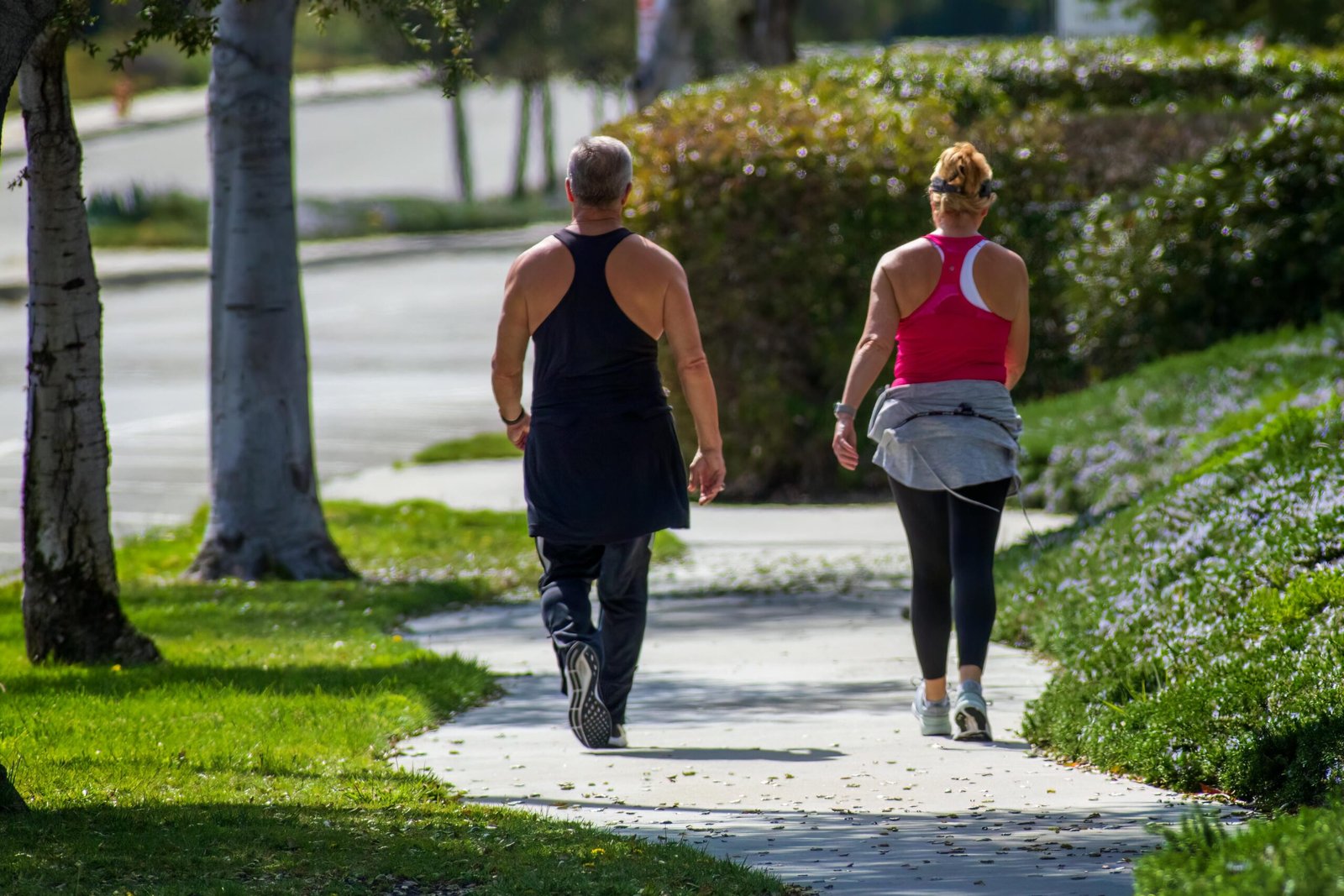
Walking Yoga is gaining traction in wellness circles, promising to blend mindful movement and physical activity for all levels. If you’re looking for a routine that calms the mind, strengthens the body, and doesn’t demand intense flexibility or athleticism, this guide is for you. But what exactly is walking yoga, how does it work, and what do you really need to know to start?
Key Takeaways
- Walking yoga combines gentle walking with mindfulness, breathwork, and basic yoga postures to enhance physical and mental health.
- It’s accessible for beginners and can be practiced indoors or outdoors—no equipment or high flexibility required.
- There are real challenges for beginners, but with step-by-step guidance and smart adjustments, anyone can build a sustainable routine.
Table of Contents
The Core Concept: What Is Walking Yoga and Why Do It?
Walking yoga is an integrated practice where you pair basic yoga principles—breath awareness, gentle stretching, and mindfulness—with a steady walking pace. Unlike a standard yoga class or a typical walk, walking yoga weaves in conscious breathing, attention to posture, and occasional standing poses as you move. This approach offers the movement benefits of walking with the mental clarity and stress reduction of yoga.
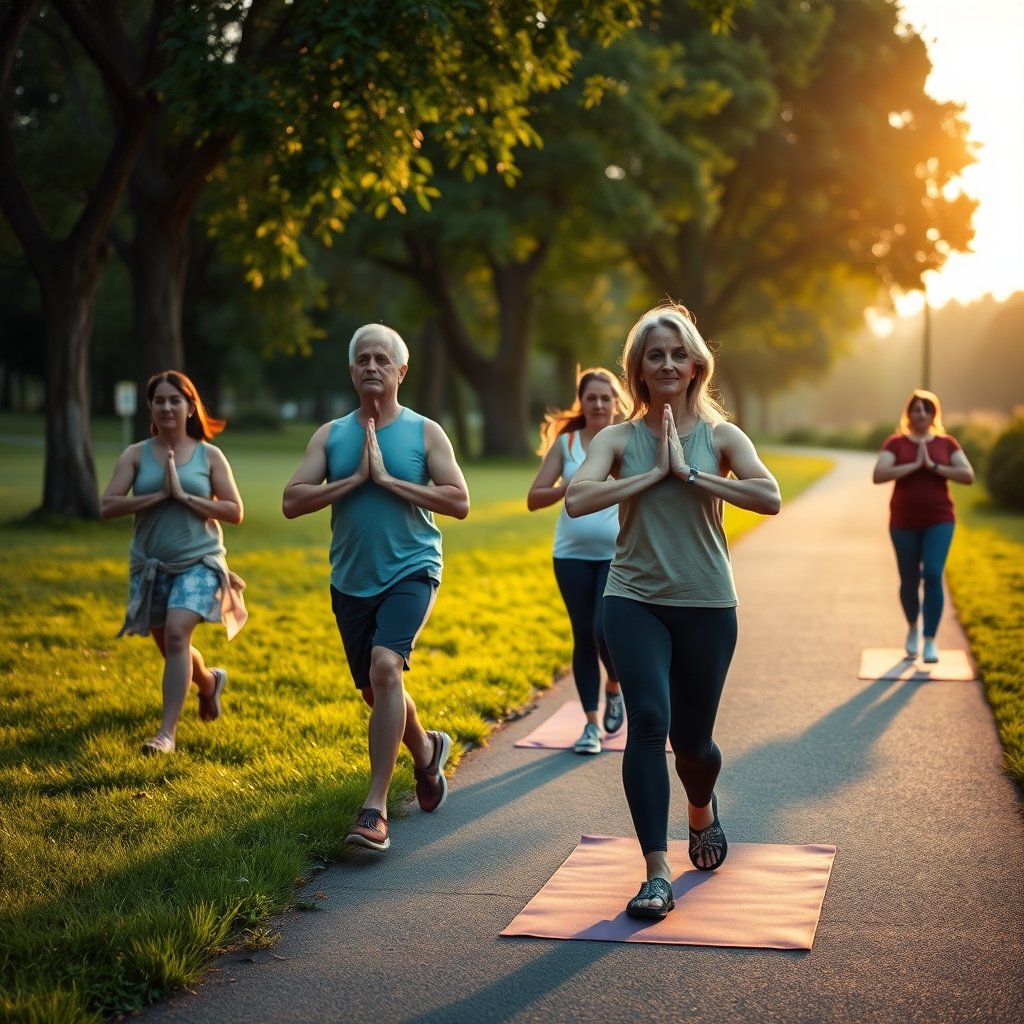
Why choose walking yoga? Recent studies suggest walking alone provides better long-term relief for chronic pain than yoga, while yoga is better for short-term results. Combining both might give you optimal benefits, supporting joint health, cardiovascular endurance, and a calmer mind.
(source)
Walking yoga works well for nearly every age and body type. You don’t need to be flexible, fit, or athletic. And as a bonus, you can do it outside, at home, or almost anywhere—no need for a gym or fancy gear.
For more inspiration on incorporating accessible movement, explore interval walking innovations like the Japanese Walking method, which has gone viral for its approachability.
Step-by-Step Guide: How to Practice Walking Yoga for Beginners
Getting started is simple, but the difference is in the details. Here’s how to build your own walking yoga routine:
- Find Your Space: Choose a flat, safe path—outdoors or inside. If outdoors, try a quiet park or path; indoors, a hallway or room with enough length to walk a few steps back and forth.
- Warm Up: Stand still for a moment. Close your eyes, breathe in deeply through your nose and exhale slowly. Do this for 30 seconds to a minute.
- Begin Walking Mindfully: Start walking slowly, noticing each foot as it lifts and lands. Let your arms hang or gently swing.
- Sync Breath With Steps: Inhale for three steps, exhale for three steps. Adjust as needed to keep breath smooth. Try this rhythm for at least five minutes.
- Add Gentle Standing Poses: Every few minutes, pause for one yoga posture:
- Mountain Pose (Tadasana): Stand tall, arms at sides, shoulders down, chest open, feet hip-width apart. Breathe for 2-3 cycles.
- Tree Pose (Vrksasana): Stand on one foot, place the opposite foot to shin or thigh. Balance for 2-4 breaths, then switch sides.
- Walk Again: Resume walking, focusing on the breath and posture. Repeat the postures every 2-3 minutes.
- Wind Down: After 15-20 minutes, slow your pace. Stand still, close your eyes, and take 1-2 minutes to let your breath return to normal.
For those combining routines at home, check out the beginner dumbbell workout guide for a gentle introduction to light resistance exercises that can complement yoga-walking days.
Breathwork Tips:
- Start with equal counts for inhale and exhale.
- If your mind drifts, gently bring attention back to your steps or breath count.
- Outdoors, let natural sounds support mindfulness; indoors, try soft music or silence.
For daily comfort, proper attire matters. Choosing the right socks can prevent blisters and keep your walks enjoyable.
Looking for more motivation? See why so many love equipment-free routines like Japanese interval walking—it’s simple, effective, and beginner-friendly.
7 Amazing Ways To Do So
1. Sync Your Breath With Your Steps Start every session by matching your inhale to four steps and your exhale to four steps. This one habit immediately shifts your nervous system from stressed to calm. It is the foundation that separates walking yoga from a regular stroll — and everything else builds from it.
2. Pause for Warrior II Every five to ten minutes, stop and hold Warrior II for five breaths on each side. It strengthens your legs, opens your hips, and demands full body awareness. Done consistently across a 30-minute walk, it adds real strength work without a single piece of equipment.
3. Add Tree Pose at Natural Stopping Points At every crosswalk, bench, or corner, hold Tree Pose for five breaths per leg. Balance work this consistent builds the stabilizing muscles around your ankles and knees that most people never train. It also forces complete mental presence — you cannot hold Tree Pose while distracted.
4. Incorporate a Standing Forward Fold After any uphill or challenging stretch, pause and fold forward with soft knees. It releases the hamstrings and lower back, resets your posture, and signals the nervous system to recover. Thirty seconds of this undoes the tension that builds during even a moderate walk.
5. Leave the Headphones Behind Walking yoga requires sensory presence — the feel of the ground, the rhythm of your breath, the sounds around you. Music and podcasts pull your attention outward and away from your body. Removing them is not optional. It is the practice itself.
6. End Every Session in Mountain Pose Before you walk back inside, stand still in Mountain Pose — feet grounded, spine tall, eyes soft — and take ten slow breaths. This closes the session intentionally, signals the body that the practice is complete, and delivers measurable reductions in cortisol that a walk alone does not produce.
7. Practice in the Evening to Reset Sleep An evening walking yoga session — even just 20 minutes — lowers cortisol, activates the parasympathetic nervous system, and increases melatonin production. Researchers found it one of the most effective non-pharmaceutical tools for improving sleep quality. Your body genuinely does not know the difference between this and a sedative.
Advanced Analysis & Common Pitfalls
Walking yoga is accessible, but like any fitness practice, it comes with real-world challenges:
- Coordination can be tricky: Focusing on breath while moving is difficult for beginners and can disrupt your natural walking rhythm.
- Mindfulness isn’t automatic: Outdoor distractions or busy minds often pull attention away from the practice. Staying present takes active effort.
- Poor posture habits: Many walkers unconsciously slouch or tense their shoulders. Without mindful correction, you risk reinforcing these patterns.
- No universal guide: There’s a lack of standardized instruction. Many free resources skip over detailed breathwork or ignore standing posture entirely.
- Program costs vary widely: Apps and classes range from free to $25+ per session in 2024. Quality and support are inconsistent; few programs offer real feedback or adapt for different bodies.
Comparison of Outdoor vs. Indoor Walking Yoga (Based on 2024 Community Data):
| Feature | Outdoor | Indoor |
|---|---|---|
| Mindfulness Support | Fresh air, birdsong; potential distractions from weather, people | Controlled environment; fewer sensory inputs |
| Breathwork Quality | Natural, easier deep breaths | May feel stuffy; focus required for good breath |
| Accessibility | Weather-dependent; may need transport | Always available; requires minimal space |
| Program Cost (2024) | Typically free; guided walks may charge | Apps/classes: free–$25/session |
Addressing Critical Gaps: Most guides don’t discuss how factors like weather, uneven ground, or home distractions affect your practice. Beginners also report confusion around combining breathing rhythms with varying walking speeds, and there’s a lack of feedback in app-based programs.
User reviews in 2024 note that some paid walking yoga programs offer little more than generic instructions, with complaints of “too repetitive” or “not enough feedback on form.” Free resources are often less structured but appreciated for flexibility.
When building your own practice, avoid overcomplicating things. Keep it simple: walk, breathe mindfully, pause, repeat. For those just starting out with exercise, read about common mistakes with home dumbbell workouts—the mindset tips there often carry over to mindful walking routines as well.
For cost-conscious users, comparing the affordability of walking yoga to other workouts (like Pilates or interval walking) helps set expectations. For example, this overview explains why combining multiple low-impact methods often works best for long-term health results.
Want to optimize your comfort and performance on every walk? Don’t overlook small details—visit our review of athletic socks for important podiatrist-approved picks and tips.
Conclusion: Start Your Walking Yoga Journey
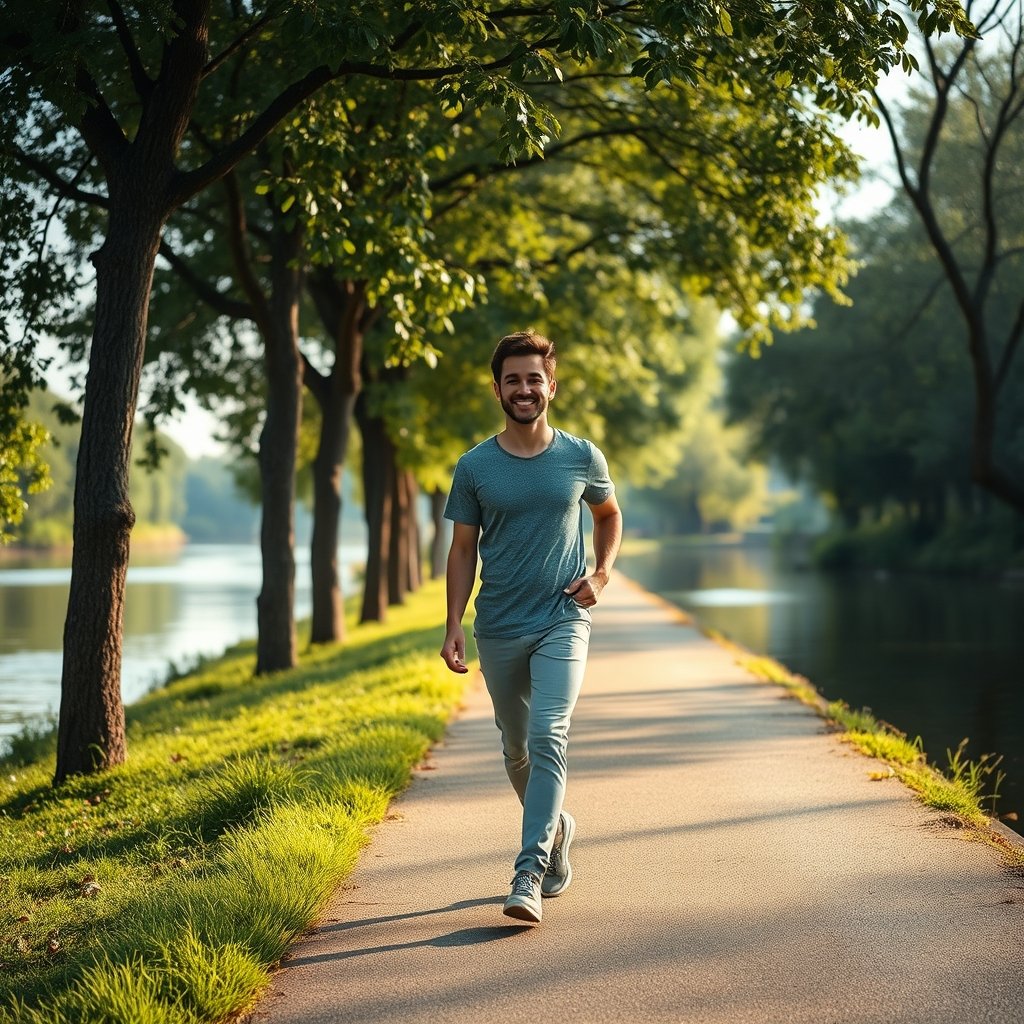
Walking yoga is a practical, approachable wellness method—especially for beginners who want a stress-free way to introduce mindfulness and gentle activity. You don’t need special skills. You don’t need fancy gear. All you need is a few minutes and a desire to try.
The best way to see results is to commit to regular practice, even if it means starting with just five minutes a few times each week. Personalized routines work best—so experiment and adjust. Whether you walk outside or inside, the most important things are consistency, breath, and a focus on how you feel each session.
If you’re looking for more accessible movement ideas, check out the emerging popularity of Japanese walking. For comprehensive home routines—combining strength and walk-based mindfulness—don’t miss our write-up on beginner-friendly dumbbell workouts.
Ready to see if walking yoga is for you? Start simple, use this guide, and build up at your pace. Walking yoga can easily become a steady, uplifting part of your wellness routine.
Want more at-home wellness tips? Subscribe, or explore our related guides below for ideas to keep moving, mindful, and motivated.
FAQ: Walking Yoga
Is walking yoga suitable for absolute beginners?
Yes. Walking yoga is designed for people of all ages and abilities, including those with no prior yoga or fitness experience.
Do I need to buy any special equipment?
No equipment is required. Comfortable clothing and supportive shoes are helpful, but you can practice barefoot on safe surfaces.
Can I do walking yoga indoors?
Absolutely. A hallway or living room works well. Just make sure you have a clear, safe path to walk for several paces at a time.
Are there risks or downsides to walking yoga?
Like any activity, proceed carefully if you have balance, foot, or joint issues. Distractions and poor form can reduce benefits, so start slow and focus on posture and breath.
How much does a walking yoga class or program cost in 2024?
Free resources are common, but professional classes and app-based programs may cost anywhere from $5 to $25 per session, depending on location and features.