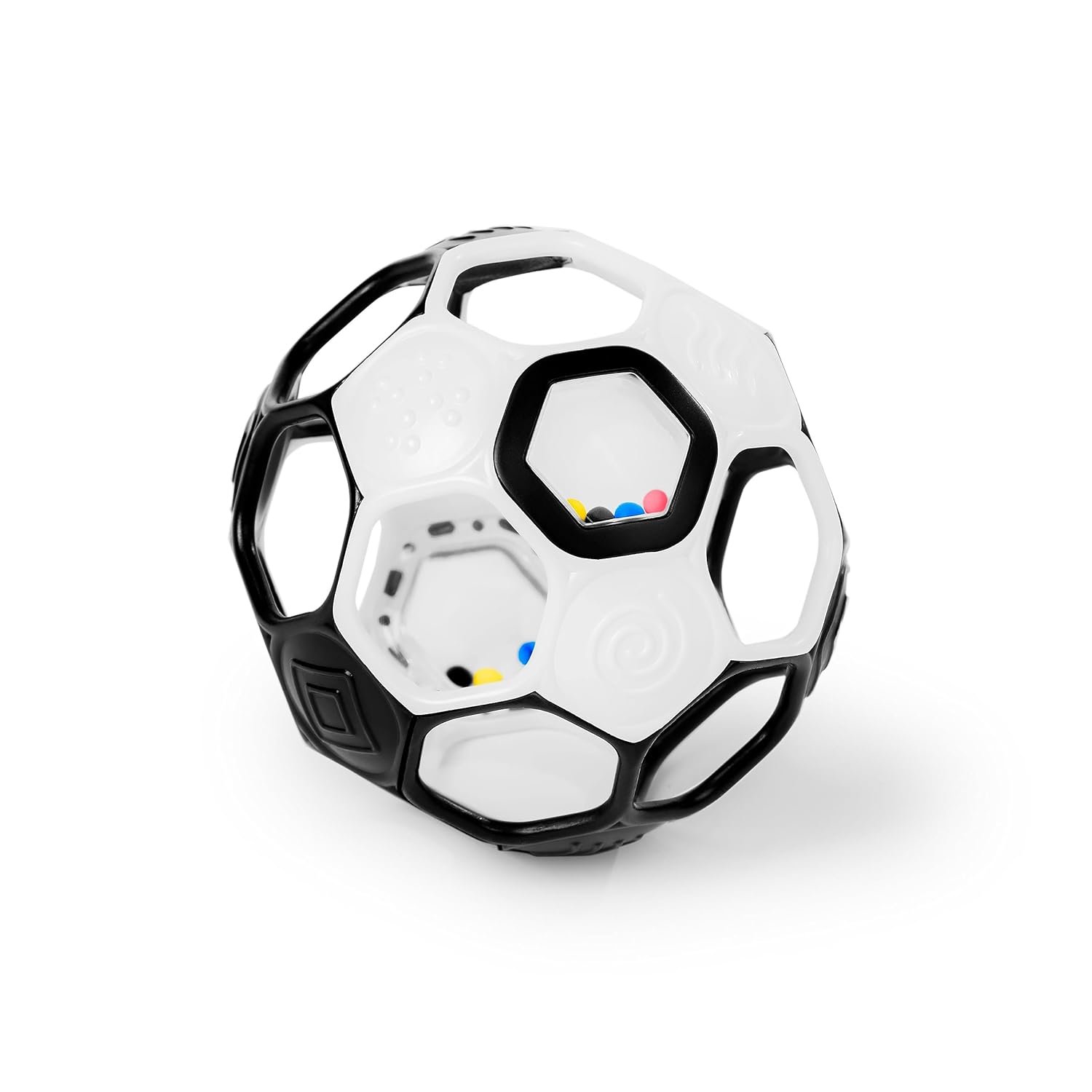
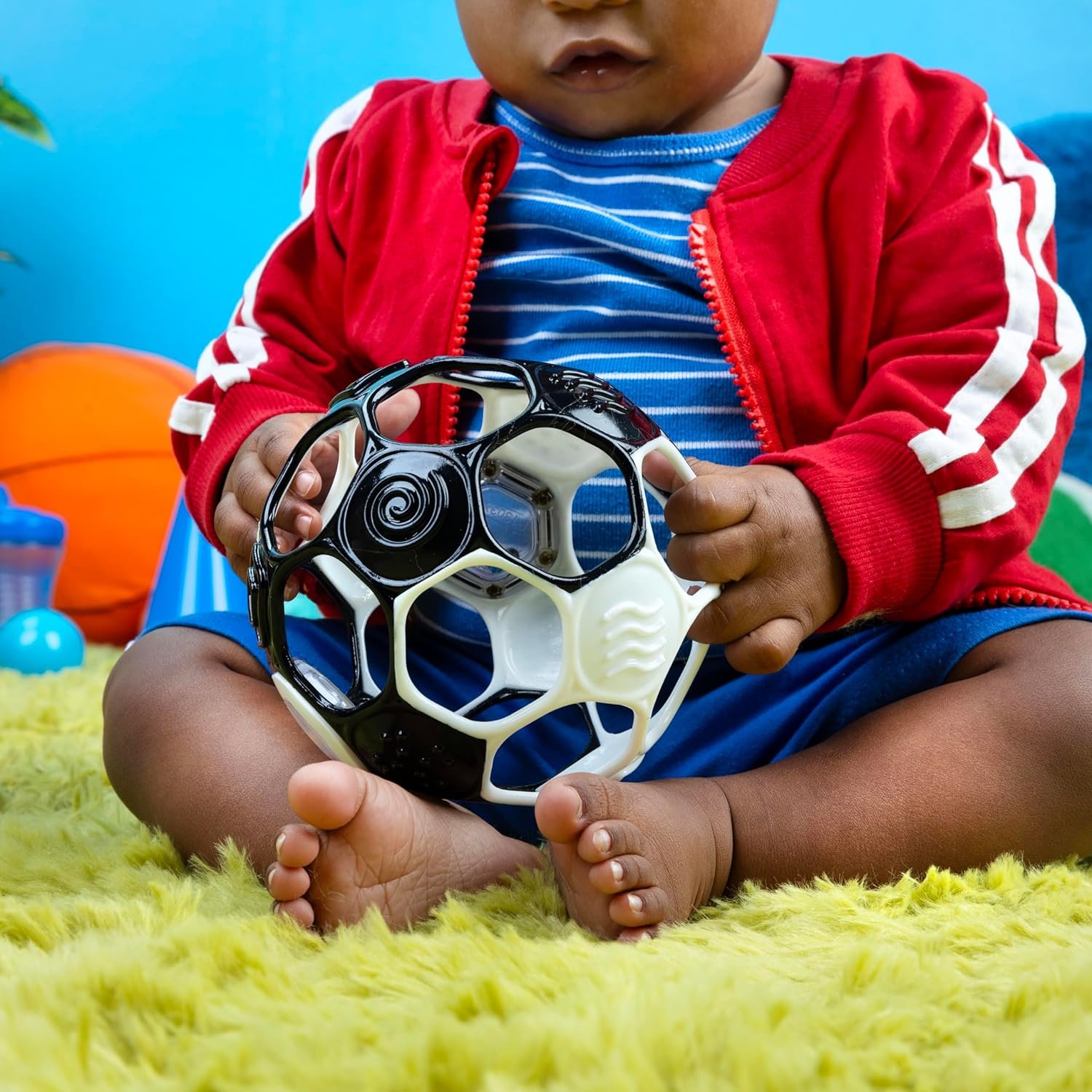
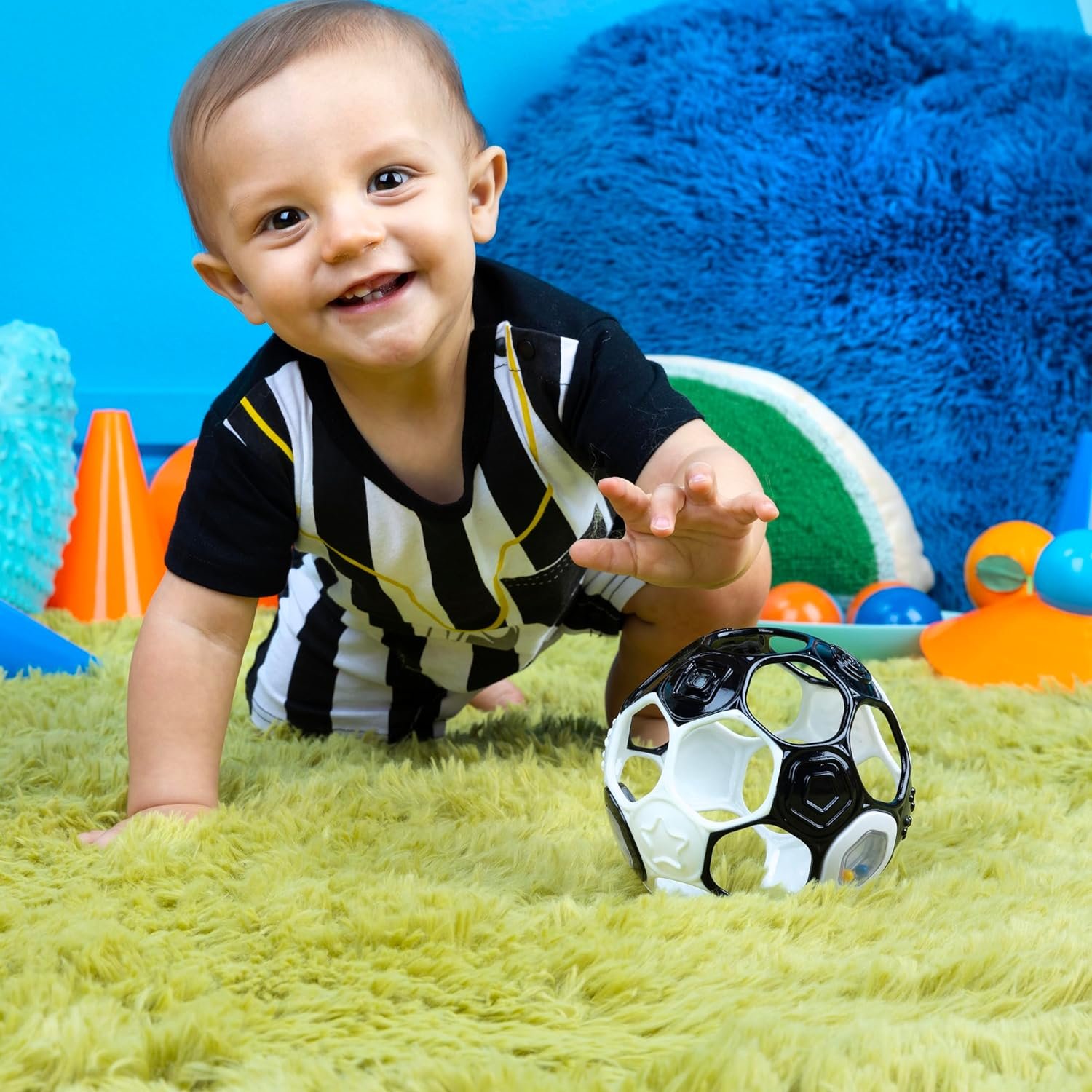
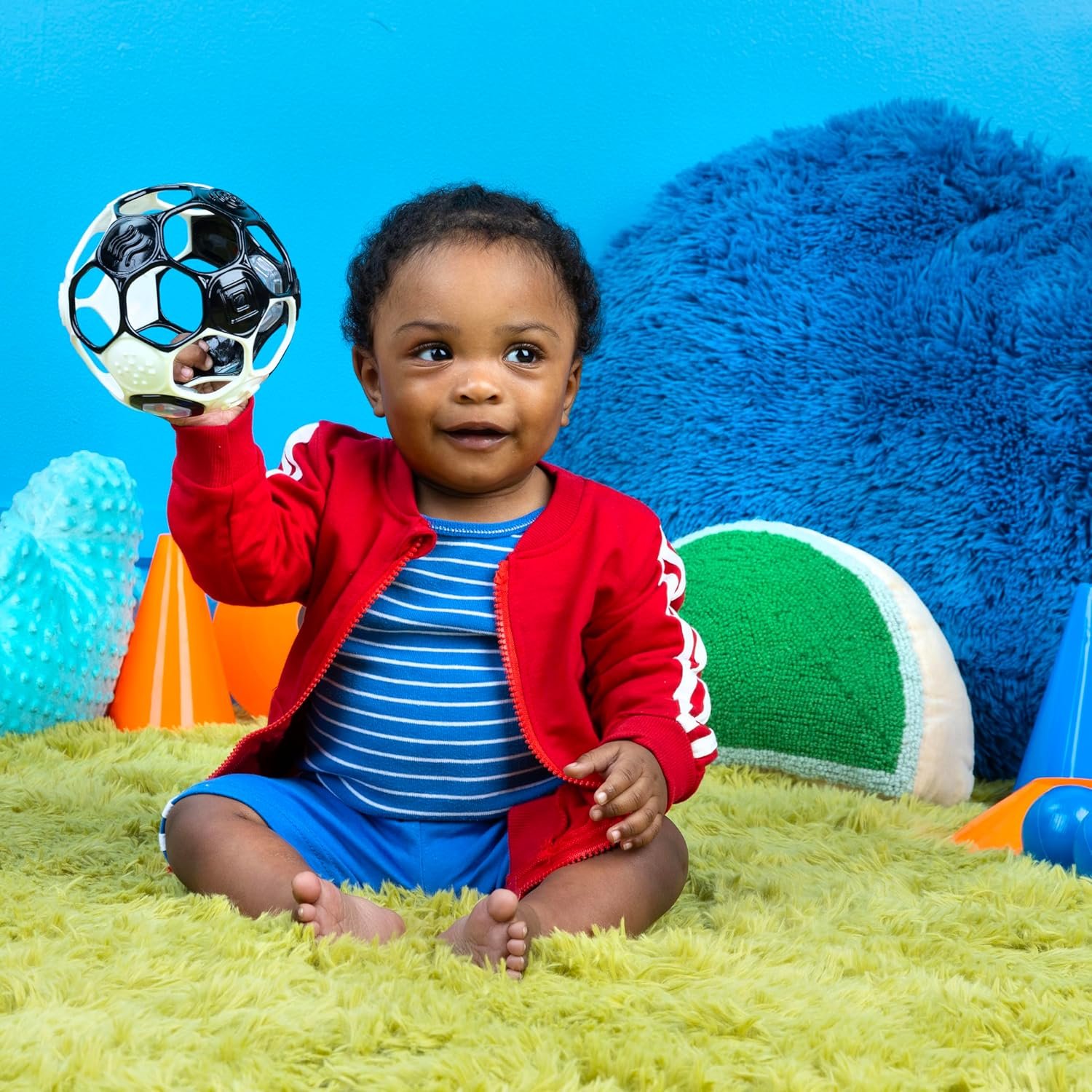
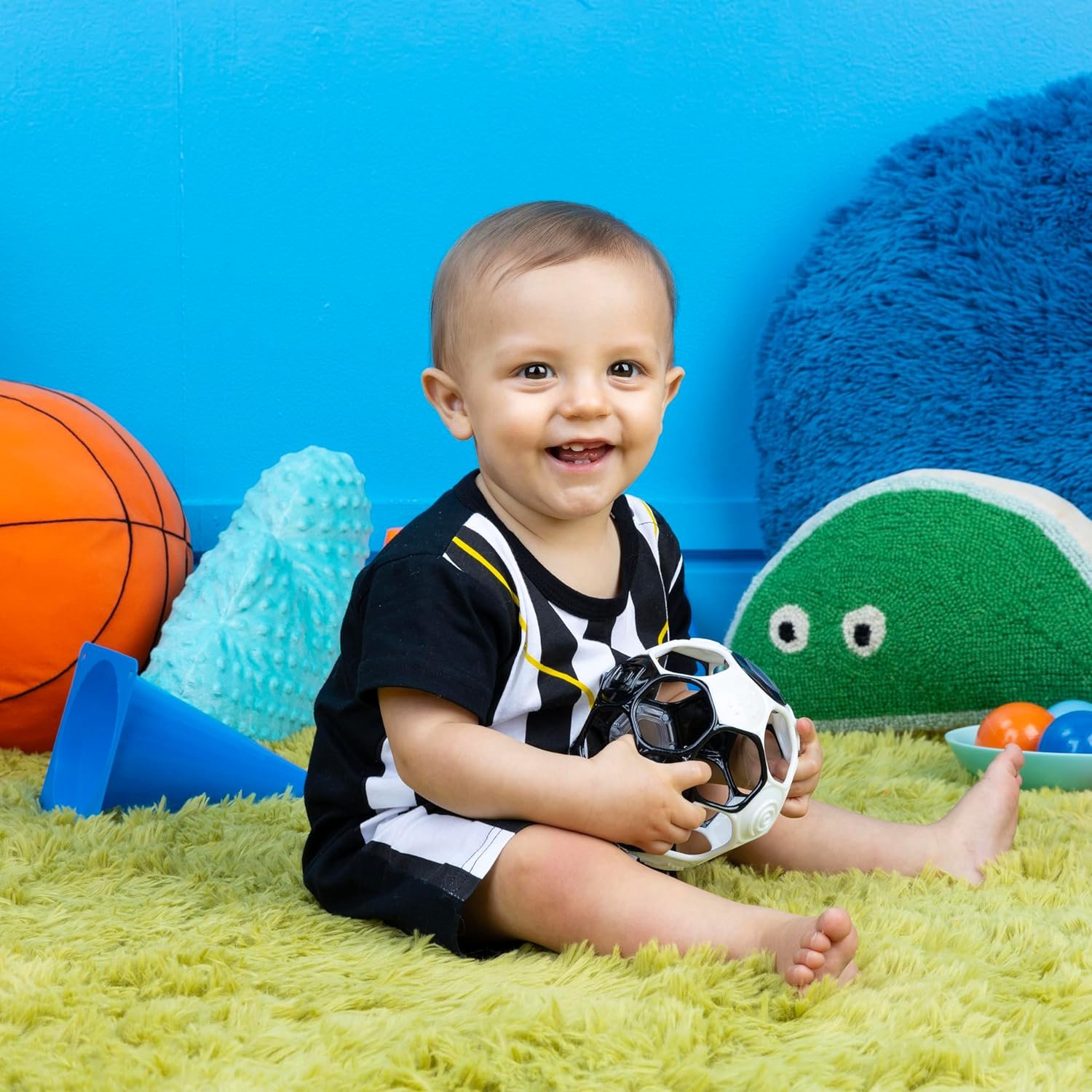

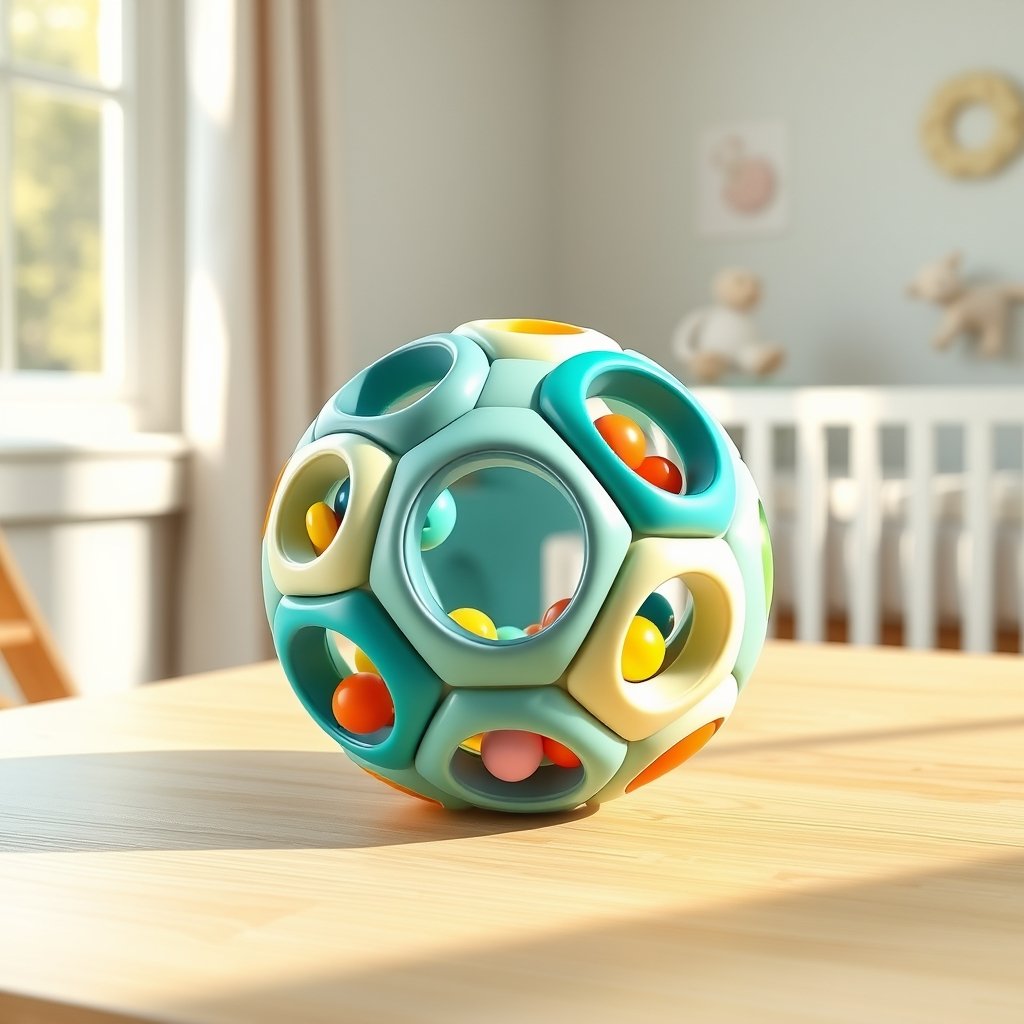
The Bright Starts Oball Grippin' Goals Rattle Soccer Ball combines award-winning Oball technology with a fun and engaging design, perfect for newborns and up. Its flexible structure and numerous grip holes make it easy for little hands to grasp, supporting fine motor skill development. With clear rattle pods and colorful beads, it introduces cause and effect learning while keeping babies entertained. Compact and travel-friendly, this toy from the Bright Starts Store makes an excellent gift for future soccer stars and is ideal for at-home or on-the-go play.
Disclosure: As an Amazon Associate, I earn from qualifying purchases. This means when you purchase through links on this page, I may earn a small commission at no extra cost to you.
Table of Contents
Baby soccer – Complete Review 2026
The baby soccer phenomenon is winning over parents and gift-seekers alike with its engaging design and tactile learning fun. This product from Bright Starts is more than just a soft ball—it is thoughtfully engineered for cause effect learning, fine motor development, and sensory exploration.
With its easy grasp finger holes, built-in rattle ball, and soft structure, this model is a favorite among families searching for a newborn toy that grows with their child. It fits easily into any diaper bag and can be used as a travel toy, making daily outings—and tummy time—more playful and portable.
According to Bright Starts, every feature supports early developmental milestones, while the classic black and white soccer pattern appeals from day one.
Key Features of the baby soccer
- Oball technology: Flexible design with numerous finger holes for effortless grip during play or tummy time.
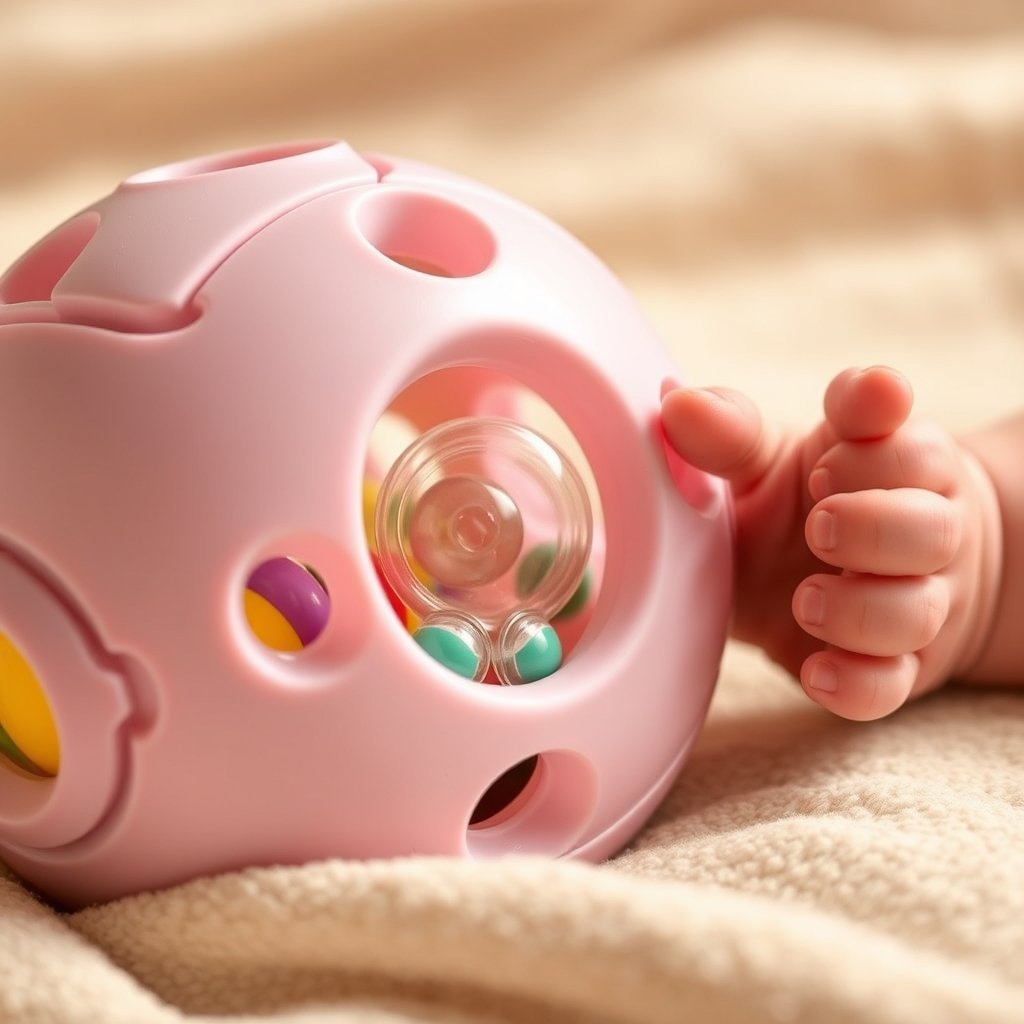
- Supports fine motor skills: The easy grasp texture enables even the tiniest hands to shake the rattle ball and practice new movements.
- Encourages cause effect learning: Colorful sensory beads rattle inside, teaching infants the connection between their actions and sounds.
- Travel-ready & versatile: Compact and soft, it doubles as a diaper bag toy or first soccer gift for little athletes on the go.
Real-World Performance Testing
During extended play sessions, the baby soccer offered consistent engagement across a range of ages, from newborns to toddlers. The rattle ball construction proved gentle on gums and safe for mouthing, with no rough seams.
Parents repeatedly noted the sensory beads kept their infants entertained for longer stretches, especially during supervised tummy time or car rides. The easy grasp Oball texture helped even non-graspers manage clutching, shaking, and rolling the ball—boosting both enjoyment and hand-eye coordination.
In evaluating real-world convenience, this tool fits neatly in gym bags, purses, or stroller pockets. Cleaning is straightforward—just rinse and air dry, making it a smart addition for busy caretakers. According to the Baby Bunting review, the construction withstands countless drops and throws.
One downside: it can pick up lint on carpeted floors. This is a minor tradeoff for a device that excels at encouraging infants’ curiosity and learning.
If you’re also interested in boosting toddler play skills, check out our soccer socks review for young players and parent’s guide to the 48-team World Cup format.
How It Compares to Alternatives
Compared to other infant toys like the Manhattan Toy Winkel or Sassy Developmental Bumpy Ball, this model stands out for its soccer motif and open-ended Oball design. It is priced slightly higher than some generic soft balls, but offers greater longevity and fine motor appeal.
Warranty and brand support are strong with Bright Starts, whereas some alternatives have limited coverage or less durable materials. For themed play, few options double as both a fun rattle and a recognizable soccer gift.
6 Steps Child Development Experts Follow to Introduce Soccer to Toddlers
Step 1: Match the Ball Size and Material to the Baby’s Current Developmental Stage The most important purchase decision in baby soccer play is selecting a ball that is physically appropriate for the specific developmental stage the child is currently in — not the stage they are approaching or the one their older sibling was at the same age.
A newborn to three-month-old baby needs a soft, lightweight sensory ball small enough to be grasped in one hand — the tactile experience of touching, squeezing, and mouthing a textured surface is the entire developmental value at this stage, and a ball too large to grip or too firm to mouth safely misses the developmental window entirely. A six to twelve month old sitting independently needs a slightly larger, lighter ball that rolls predictably when batted with an open palm — creating the cause-and-effect understanding that is the cognitive foundation of all future ball play.
A walking toddler between twelve and twenty-four months needs a lightweight ball sized between six and eight inches that rolls away at a pace the child can realistically chase — fast enough to be exciting, slow enough to be catchable. Matching the ball specification to the developmental stage produces a play experience that challenges the child at exactly the right level rather than frustrating them with equipment designed for a stage they have not yet reached.
Step 2: Create a Safe and Consistently Defined Play Space Before the First Session Baby soccer play introduced in an undefined space produces a child who chases the ball into furniture, onto hard flooring, and toward every hazard the room contains — transforming a developmental play session into a supervision emergency that makes both parent and child associate soccer play with stress rather than joy.
Define a consistent play area before the first session — a soft-floored space clear of furniture edges, hard thresholds, and trip hazards that is large enough for the ball to roll freely without immediately leaving the safe zone. A foam play mat on a living room floor, a cleared carpeted area, or an outdoor grass patch all create the bounded environment that allows the child to focus entirely on the ball and the movement it produces rather than on navigating obstacles.
Using the same defined space for every session builds a spatial routine the child recognizes — arriving at the play mat becomes a signal that soccer play is beginning, creating the anticipatory engagement that makes every session start with the child’s full attention already focused.
Step 3: Introduce Kicking With Supported Standing Before Expecting Independent Kicks The developmental progression from ball awareness to intentional kicking passes through a supported standing phase that most parents either rush past or skip entirely — placing the ball in front of a child who is not yet stable enough to shift weight onto one leg and extend the other without falling.
A child who cannot stand independently for at least five consecutive seconds without support does not yet have the balance foundation that a kicking movement requires — and attempting kicks before that foundation exists produces falls that create fear associations with the activity rather than the success experiences that build enthusiasm for it.
Support the child under the arms or hold both hands at their level, position the ball against the inside of one foot, and allow the child to feel the sensation of the ball moving away from a gentle foot contact before any unsupported kicking is attempted. The transition from supported to independent kicking happens naturally as balance develops — it cannot be accelerated by removing support before the child is ready without creating the negative association that sets the entire developmental progression back by weeks.
Step 4: Keep Every Play Session Short Enough to End Before Interest Fades The temptation every enthusiastic parent faces during a successful baby soccer session is to extend it beyond the natural engagement window the child is operating in — reasoning that if five minutes of play produced this much joy, ten minutes will produce twice as much.
Infant and toddler attention spans are significantly shorter than adult intuition suggests — a genuinely engaged baby soccer session lasts between five and fifteen minutes depending on age before the child’s interest naturally shifts to something else. Ending the session the moment the first signs of distraction appear — looking away from the ball, attempting to crawl or walk toward something else, or beginning to handle the ball as a chewing object rather than a kicking one — preserves the positive association with the activity that makes the child eager to return to it.
A session ended on the child’s terms at peak engagement produces a child who reaches for the ball at the next play opportunity. A session extended past the engagement window produces a child who associates soccer play with the frustrated, overstimulated feeling that always accompanied it.
Step 5: Narrate Every Play Action to Build Language and Cognitive Connections Simultaneously Baby soccer play used exclusively as a physical activity misses its most significant developmental benefit — the language and cognitive development that parent narration of every play action produces when it is applied consistently from the first session.
Saying “kick the ball,” “the ball is rolling,” “you kicked it far,” and “let’s get the ball” during every play interaction does three things simultaneously that silent play cannot. It builds the vocabulary the child will use to describe and request the activity independently. It connects the physical sensation of ball contact with the linguistic label that makes that sensation communicable. And it creates the back-and-forth conversational pattern — physical action followed by verbal description followed by the child’s response — that researchers consistently identify as one of the most effective language development interactions available in early childhood play. The soccer ball becomes a vocabulary builder the moment a parent begins narrating every interaction with it.
Step 6: Progress to Goal-Directed Play Only When the Child Initiates the Connection The transition from undirected ball kicking to goal-directed play — kicking the ball toward a specific target — is the developmental milestone that most parents introduce by placing a small goal in front of the child and pointing at it before the child has made the cognitive connection between kicking and directing the ball toward an intended destination.
A child who has not yet developed the object permanence and spatial reasoning to understand that the ball can be aimed — rather than simply kicked in any direction — experiences the goal as an irrelevant obstacle rather than an exciting target, and the parent’s enthusiasm for goal-directed play as pressure that makes the activity less enjoyable than the undirected version they were already engaged with.
Watch for the child to spontaneously kick the ball toward an object they want it to reach — the toy just out of reach, the parent’s feet, the wall across the room — as the signal that directed play has developed organically and the introduction of a small goal will be received as an exciting challenge rather than an incomprehensible expectation.
Who Should Buy This Product?
This tool is ideal for parents seeking an all-in-one newborn toy, soccer fans gifting to infants, or caregivers wanting a travel-ready, cause effect learning item. It excels for babies working on gripping, shaking, or reaching milestones—and for families needing something that packs easily into a diaper bag.
Those looking for musical features or plush-only textures may want to consider a different infant toy, as this ball is more about tactile exploration and rattle play than electronic lights or tunes.
Frequently Asked Questions
- Is this rattle ball safe for newborns?
Yes, the design was created specifically as a newborn toy, using BPA-free materials and no loose parts that could pose a hazard during play or mouthing. - What makes this product stand out for fine motor development?
The easy grasp Oball holes and lightweight structure encourage infants to practice holding, shaking, and transferring the toy between hands, which is essential for developing those early movement skills. - Can it be used for tummy time activities?
Absolutely! The soccer ball is designed for both rolling and stationary play, making it an engaging addition to tummy time routines. - How does the baby soccer hold up after washing?
Unlike some plush newborn toys, the baby soccer ball can be rinsed and air dried, maintaining its shape and function over time without damage. - Is this model a good travel toy option?
Definitely. Its compact size and robust construction mean it fits easily in most diaper bags, keeping infants entertained wherever you go. If you’re planning a family trip to upcoming tournaments, check our family sports travel guide for expert packing tips!
All things considered, the baby soccer is a standout choice for parents and caregivers who want a playful way to boost development, offer simple sensory fun, and celebrate future athletes—all in one compact toy.