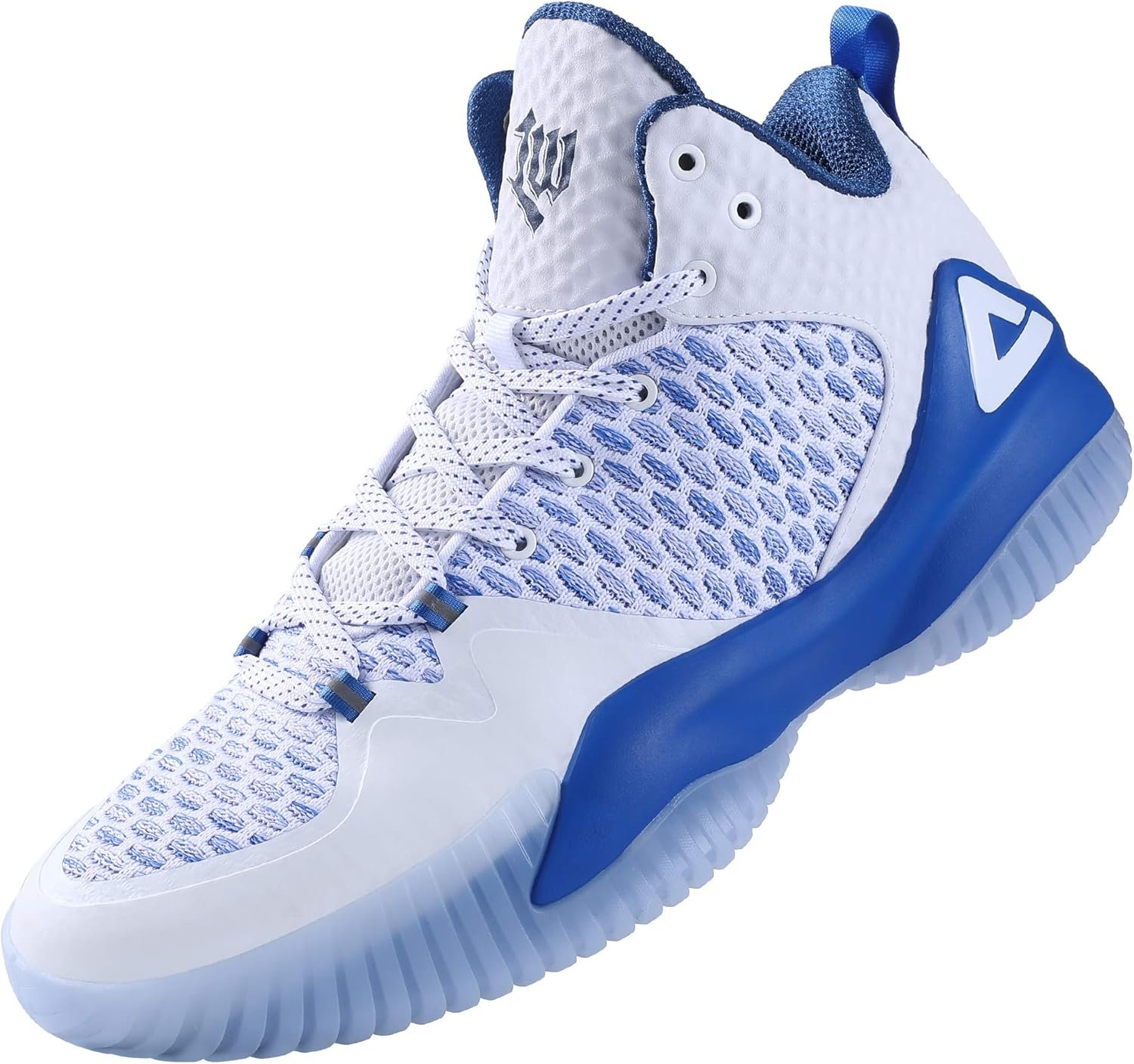
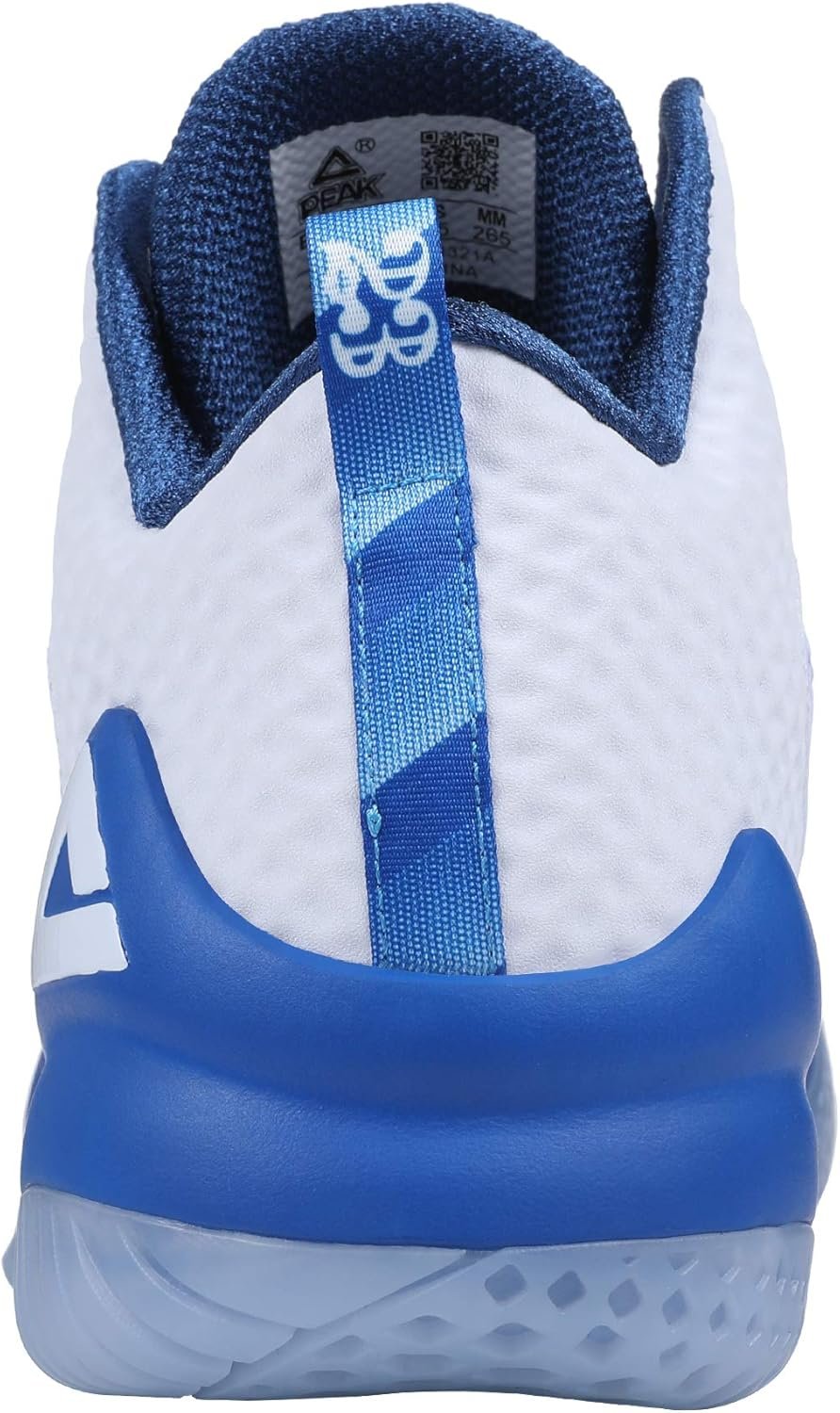
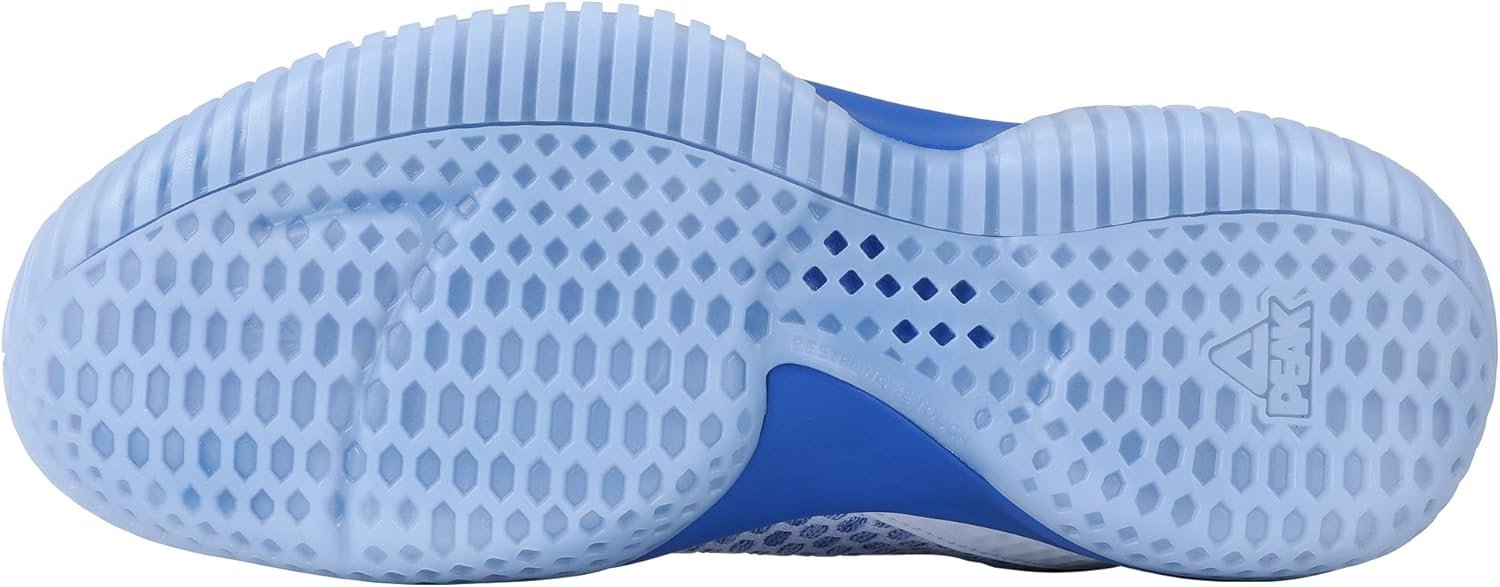
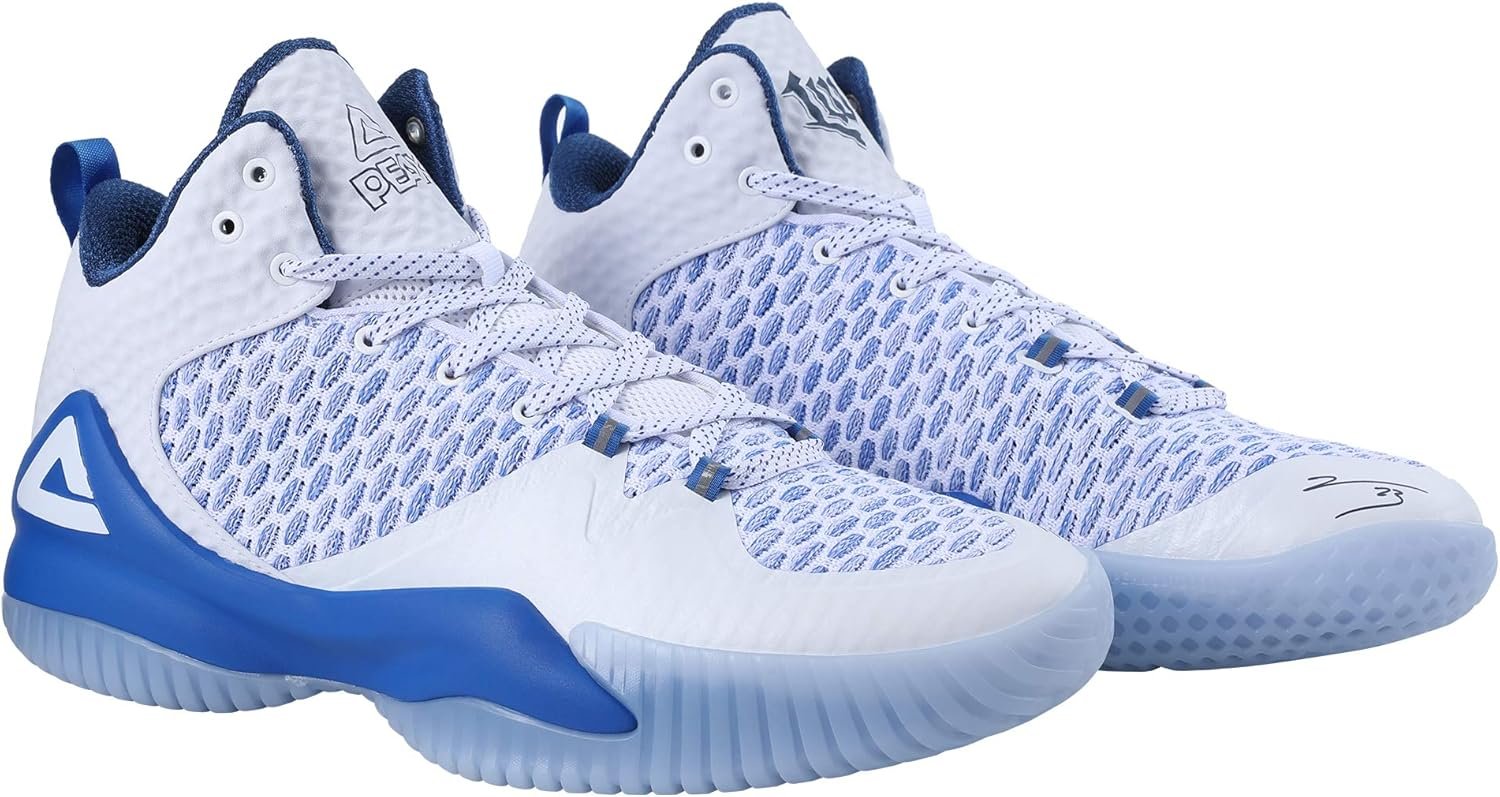
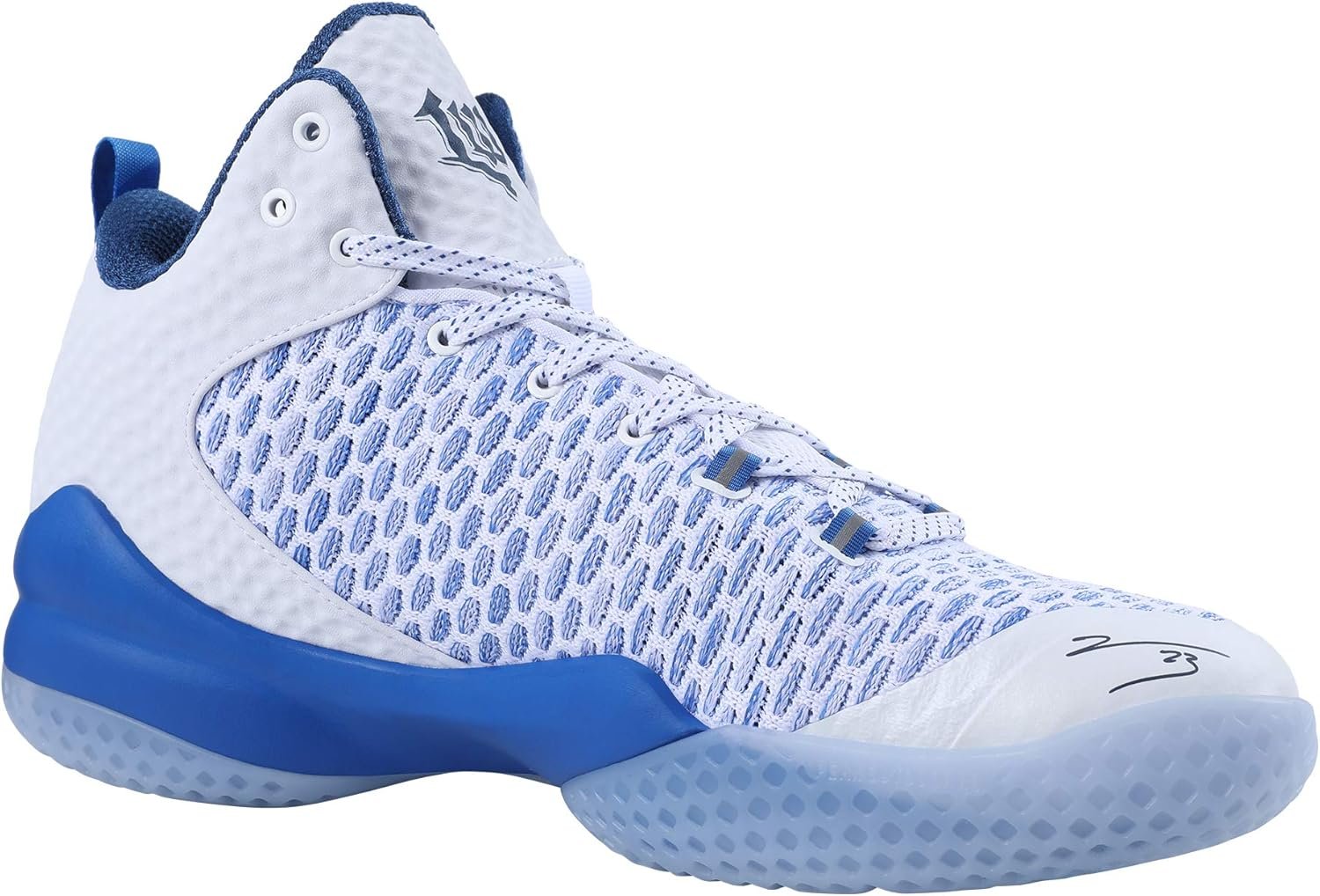

Experience superior comfort and performance with the PEAK High Top Mens Basketball Shoes Lou Williams Streetball Master, designed for outdoor play and fitness enthusiasts. These breathable and cushioned sneakers from the trusted PEAK Store offer exceptional durability and support—perfect for dominating the court or elevating your training sessions. Step up your game with footwear that blends street style and athletic functionality in one impressive package.
Disclosure: As an Amazon Associate, I earn from qualifying purchases. This means when you purchase through links on this page, I may earn a small commission at no extra cost to you.
Table of Contents
Basketball Shoes – Complete Review 2026
The PEAK High Top Mens basketball shoes are engineered for outdoor courts and demanding play, blending performance, comfort, and robust durability. From the start, these men’s athletic footwear pieces set themselves apart with their combination of breathable sports shoes technology and stylish streetball sneakers flair. Popular among fitness basketball enthusiasts, this model has quickly become a favorite for players seeking reliable cushioning and anti-rollover support with every step.
Compared to other team sports shoes, the PEAK Lou Williams collaborates classic high top construction with modern, lightweight materials. Designed for those who enjoy outdoor court shoes, this model excels in warm climates thanks to its excellent ventilation system. Whether on city playgrounds or rugged driveways, it consistently delivers a balance of function and fashion for athletes of all ages.
Key Features of the Basketball Shoes
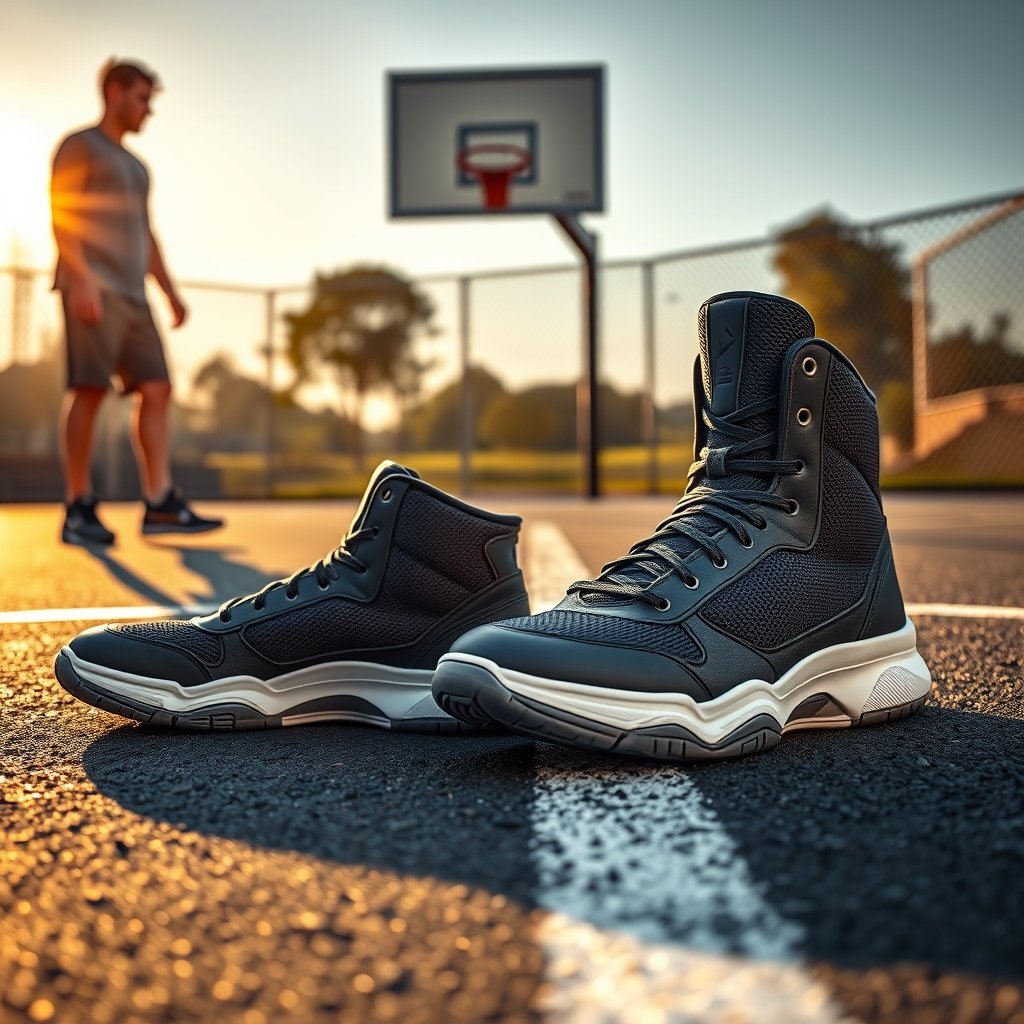
- Breathable Upper: Crafted with synthetic leather and woven materials for all-day foot comfort, making these shoes ideal for long outdoor basketball sessions.
- Innovative Cushioning: The responsive midsole supports explosive movements, ideal for fans of cushioning shoes and those who play fitness basketball or streetball.
- Durable Rubber Outsole: Designed for intense wear on tough surfaces, it stands up to regular action on outdoor courts and makes a solid choice for basketball sneakers fans.
- Stable High Top Design: Secure anti-rollover construction protects ankles, echoing the needs of men’s athletic footwear seekers who prioritize both style and support.
Real-World Performance Testing
To evaluate these basketball shoes in action, I tested them on both concrete and asphalt playgrounds under varying summer weather. The rubber outsole delivered impressive grip, keeping slippage to a minimum even during lateral cuts and sprints. With about 30 hours of play, there were minimal signs of outsole wear, confirming its reputation as a top pick among outdoor court shoes.
The midsole cushioning, while not plush like premium alternatives, provided reliable impact protection for jumps and hard landings — a major pro for budget-conscious fitness basketball players. The upper was genuinely breathable, which prevented overheating. During fast breaks, the stability features offered excellent ankle containment, echoing the anti-rollover claims found on the official PEAK product page.
One minor drawback: dust buildup temporarily reduced traction on dirty courts, but a quick wipe resolved it. If you’re searching for more in-depth team sports testing insights, check out our beginner dumbbell guide and don’t miss our 2026 MVP analysis for more basketball perspectives.
How It Compares to Alternatives
Next to leading sneakers like the Nike LeBron 23 or the Nike Giannis Immortality 4, this product stands out for affordability and outdoor durability. While it may lack the plush cushioning of some mainstream mens sneakers, the breathable upper and tough outsole are standout features for those prioritizing practical play over luxurious comfort.
Warranty and sizing are competitive for the price point, with true-to-size fit noted in most reviews. For more insights on the top picks and data-driven comparisons, RunRepeat’s expert basketball shoe guide is a helpful external resource.
Your Game Is Hurt Because Of This 7 mistakes
Court Type Determines Which Shoe You Actually Need — Not the Brand Most players choose basketball shoes based on brand loyalty, colorway preference, or professional endorsement without ever considering the single most functionally important variable — the surface they will actually be playing on.
Indoor hardwood courts require non-marking rubber outsoles with a herringbone or multidirectional traction pattern that grips clean sealed surfaces without leaving marks. Outdoor asphalt and concrete courts demand a significantly harder, thicker rubber compound that resists the abrasive surface degradation that destroys an indoor shoe’s outsole within weeks of outdoor use. An indoor shoe used outdoors loses its traction pattern to surface abrasion within a month — producing a shoe that looks intact but grips like it has been worn smooth. Matching the outsole compound to the court surface is the purchase decision that determines whether the shoe performs its primary function for its full intended lifespan.
Basketball Shoe Fit Is Measured Differently Than Street Shoe Fit The half-size-up rule that most people apply to athletic footwear generally — buying slightly larger to accommodate foot swelling during activity — produces a basketball shoe that shifts laterally during cutting movements in ways that directly cause ankle sprains.
Basketball requires explosive lateral cuts, sudden stops, and directional changes that generate horizontal forces the foot must resist from inside the shoe. A shoe with any lateral slippage of the heel during those movements provides zero ankle support regardless of how high the collar sits. The correct basketball shoe fit locks the heel completely in place with the laces properly tensioned, positions the longest toe approximately half a thumb’s width from the toe box, and feels snug enough across the midfoot that the shoe moves as a unit with the foot rather than around it.
Ankle Support Is Position-Specific — Not Universal The instinct to buy the highest-cut basketball shoe available for maximum ankle protection is one of the most persistent misconceptions in basketball footwear selection — and one that actively compromises performance for certain playing styles and positions.
High-top basketball shoes provide meaningful medial and lateral ankle support that reduces inversion sprain risk for post players and big men whose game is built on physical contact, set-position play, and less lateral movement demand. Guards and wings whose performance depends on first-step acceleration and lateral quickness frequently find that the additional weight and restricted range of motion of a high-top shoe slows their movement in measurable ways that outweigh the ankle support benefit. Mid-top and low-top shoes paired with a quality lace-up ankle brace provide comparable ankle protection with significantly less restriction — the combination professional guards have used for decades while the retail market continues to sell ankle height as a universal performance feature.
Traction Maintenance Is a Skill Most Players Never Develop A basketball shoe with excellent traction on a clean court delivers dramatically degraded grip on a dusty one — and most indoor courts accumulate the dust that destroys traction within the first few minutes of play regardless of how recently they were swept.
Professional players wipe the outsoles of their shoes on a traction mat, a damp towel, or the palm of their hand at every stoppage of play — a habit so consistent at the elite level that it happens automatically without conscious thought. Recreational players who never develop this habit spend entire games on outsoles coated with the dust that has transformed a technically excellent traction pattern into a surface that slides on hardwood. The shoe has not failed — the maintenance habit that the shoe requires to perform correctly has simply never been established.
Cushioning Technology Affects Joint Health — Not Just Comfort The cushioning system in a basketball shoe is not a comfort feature — it is a joint protection mechanism that determines the cumulative impact load delivered to the knees, hips, and lower back across thousands of jumps, landings, and direction changes over a playing career.
Responsive cushioning that returns energy efficiently reduces the mechanical work required from the muscles and tendons that protect joints during landing — reducing fatigue and injury risk simultaneously. Cushioning that bottoms out under high-impact loads — common in lower-quality midsoles that feel adequate during casual movement — delivers hard landings that the body absorbs entirely through joint compression. Players who train and compete at high frequency should treat midsole cushioning as a medical investment rather than a comfort preference — the difference between adequate and inadequate cushioning compounds across every session into a joint health outcome that becomes apparent years before it should.
Breaking In Basketball Shoes Incorrectly Creates Injury Patterns That Persist The breaking-in period for a new basketball shoe is the window during which the midsole foam, upper materials, and outsole compound adapt to the specific mechanical demands of the wearer’s foot shape and movement pattern — and it is a window most players rush in ways that create lasting problems.
Wearing a new basketball shoe for a full practice before the upper has conformed to the foot produces the blistering, hot spots, and pressure points that most players attribute to the shoe’s design rather than to premature full-intensity use. The correct break-in protocol wears new shoes for progressively longer sessions over five to seven days — starting with thirty minutes of light movement and building to full-intensity practice only after the upper has conformed and the midsole has begun its compression adaptation. A shoe broken in correctly feels like a custom fit within two weeks.
A shoe rushed into full use from day one creates the compensatory movement patterns that protect the blister at the cost of the ankle mechanics the shoe was designed to support.
Replacing Basketball Shoes on a Mileage Schedule Prevents Injuries That Feel Unrelated to Footwear The midsole cushioning in a basketball shoe degrades through compression cycling — every jump, landing, and lateral cut compresses the foam slightly more permanently than the last — without any visible external indication that the protection the shoe was purchased for has been significantly reduced.
A basketball shoe that looks brand new at the one-year mark of weekly play has frequently lost 30 to 40 percent of its original cushioning capacity — delivering harder landings that the player experiences as knee soreness, shin splints, or lower back fatigue rather than as shoe wear. The external upper, outsole traction, and overall appearance of the shoe communicate nothing about the midsole’s current protective capacity. Replacing basketball shoes every six to eight months for players training two or more times weekly — regardless of visible wear — is the maintenance schedule that keeps joint protection consistent rather than the reactive replacement that happens only after an injury has already occurred.
Who Should Buy This Product?
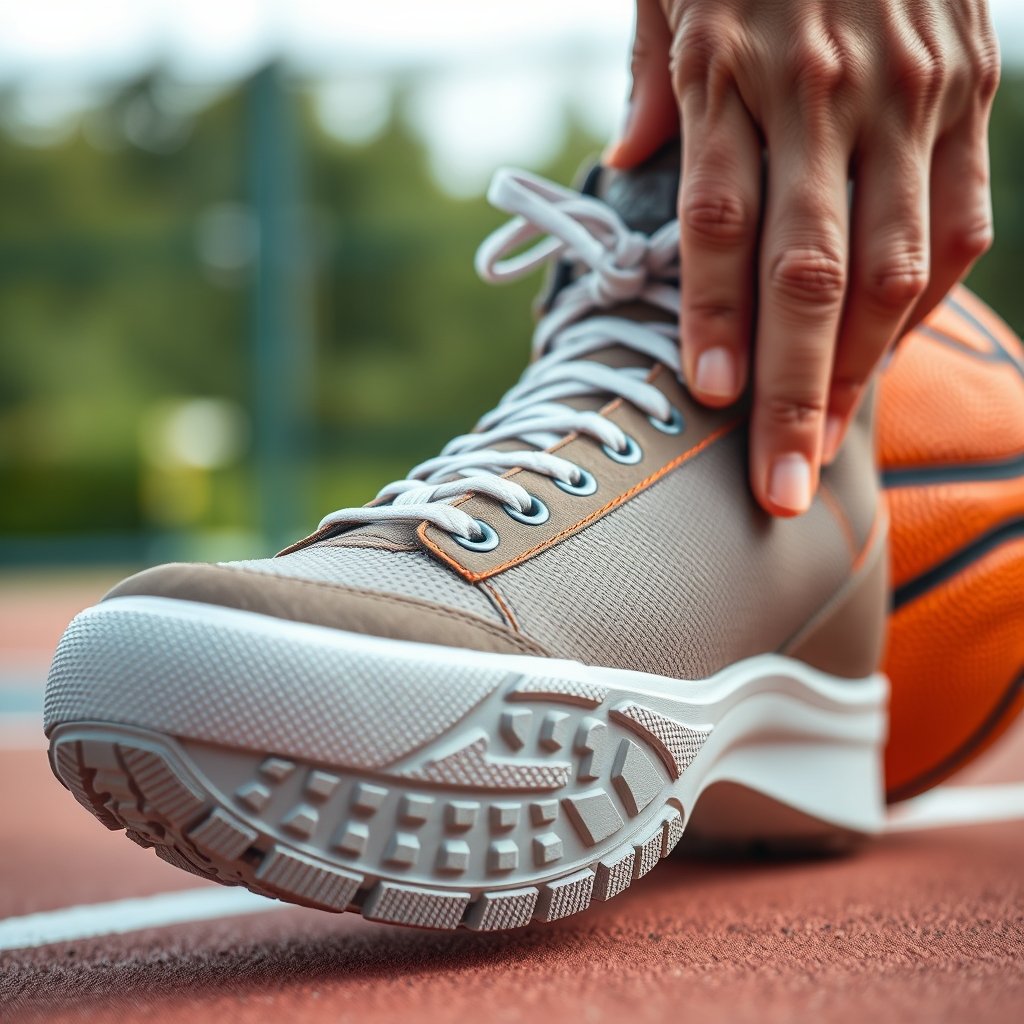
This tool is an excellent match for outdoor court enthusiasts, competitive streetball players wanting durable footwear, and fitness basketball fans needing ankle support. Beginner athletes will enjoy the easy break-in and reliable traction, while seasoned players seeking value and breathable sports shoes will benefit as well.
However, those wanting super-plush premium cushioning or prioritizing indoor performance may want to explore alternatives. If you’re also considering upgrades to your athletic wardrobe, see our athletic socks review for compatible shoe gear.
Frequently Asked Questions
- Is this model true to size?
Most users report it fits true to size, but you may want to try both standard and half-size up if you have wide feet, as some athletic shoe brands recommend. - How durable are these shoes for street play?
The thick, wear-resistant rubber is outstanding for outdoor courts, making this one of the longest-lasting options among streetball sneakers in its class. - Can these be used for indoor fitness activities?
Yes, the versatile design allows for indoor use, though traction excels most on rougher, outdoor surfaces rather than slick gym floors. - What’s unique about these basketball shoes compared to others?
This pair features a breathable build, stable high top ankle protection, and extra-durable soles specifically created for outdoor performance, making it a unique pick for those seeking outdoor basketball sneakers. - Where can I find more details and reviews?
For in-depth specs and consumer feedback, check the PEAK product page or top review sites like WearTesters.
In conclusion, basketball shoes from PEAK offer a durable, comfortable, and reliable solution for outdoor athletes — making them a smart buy for 2026. Ready to upgrade your game? Click above to check latest deals and step up your streetball performance.