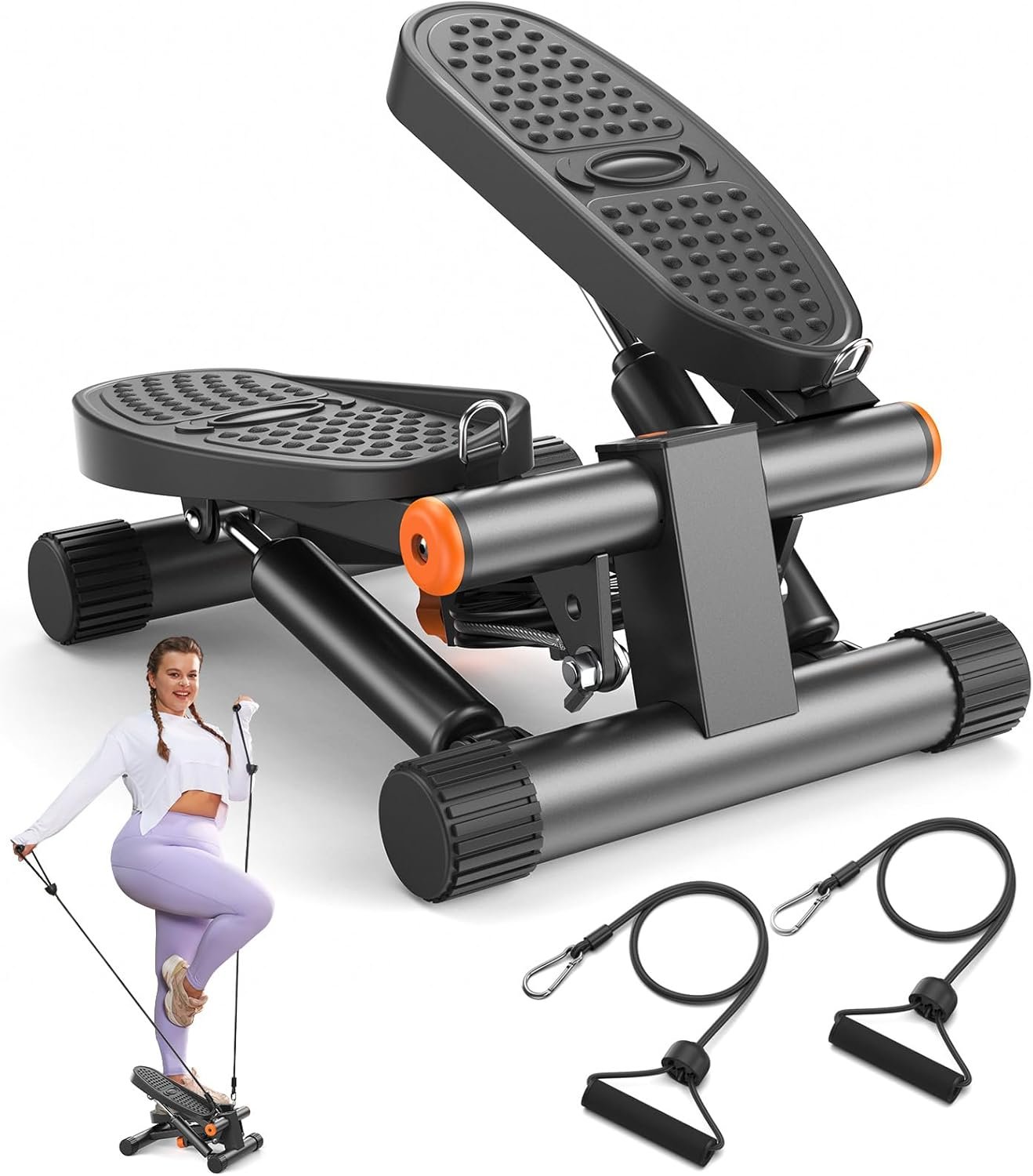


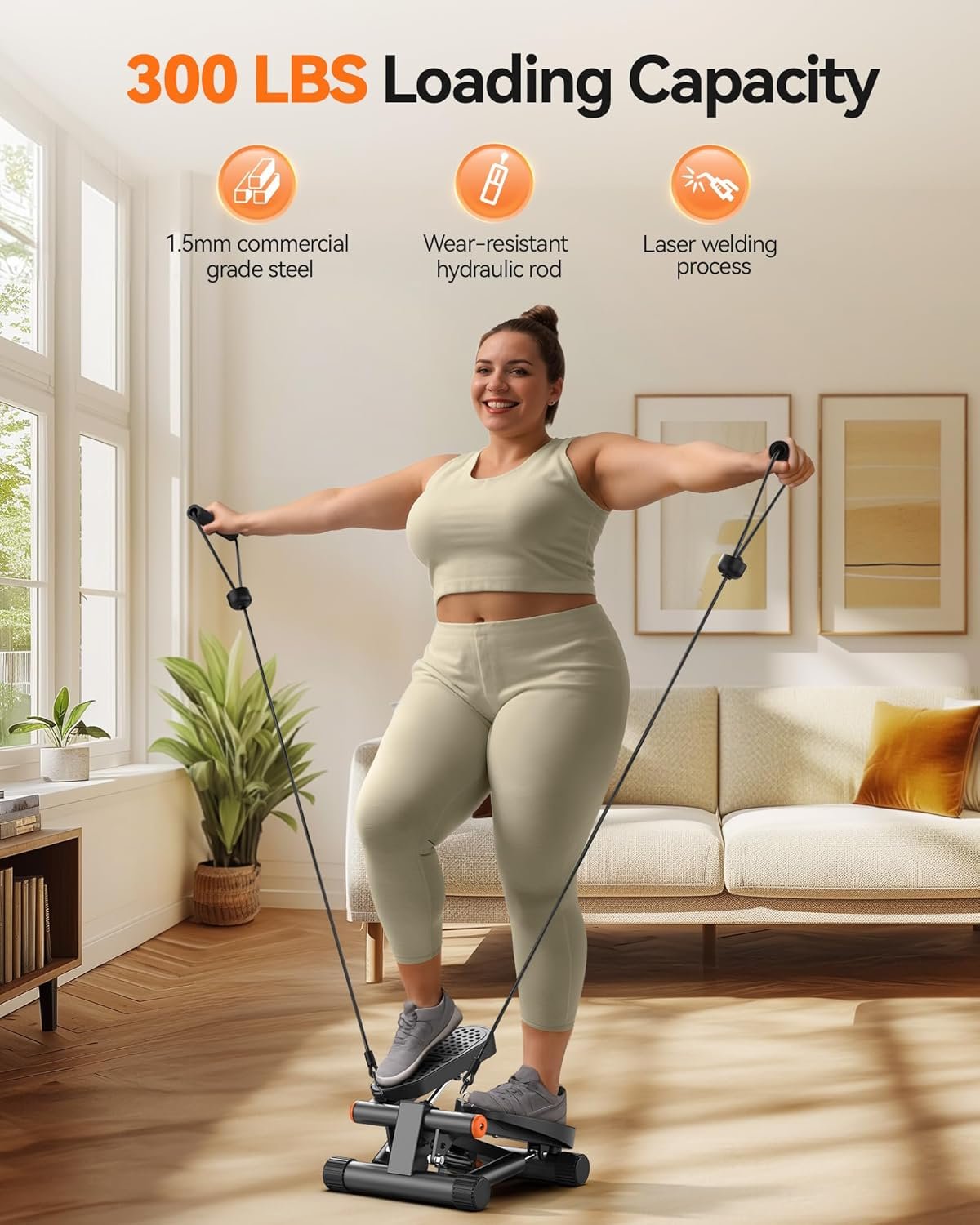

The Niceday Steppers for Exercise deliver a powerful, quiet workout with hydraulic resistance and a 300LBS weight capacity, perfect for burning fat and toning the lower body. Compact and portable at just 16 pounds, it features a smart LCD monitor to easily track your progress and comes with resistance bands for a full-body workout. With its sturdy commercial steel build and easy stride adjustment, this stair stepper from Niceday is ideal for anyone looking for an efficient, at-home cardio solution.
Disclosure: As an Amazon Associate, I earn from qualifying purchases. This means when you purchase through links on this page, I may earn a small commission at no extra cost to you.
Table of Contents
Stepper Machine – Complete Review 2026
The stepper machine offers a compact and powerful solution for home fitness and cardio exercise routines. Designed for modern lifestyles, this product delivers a reliable lower body and whole-body workout, combining a compact footprint with robust leg workout capabilities and quiet operation.
Crafted by Niceday, it fits conveniently in apartments, offices, and smaller rooms. This model has built-in resistance bands for upper-body exercise, sturdy construction for stability, and intuitive digital tracking to monitor each session. For anyone looking to maximize fitness in a limited space, it checks the right boxes for an at-home fat burning stepper.
Key Features of the Stepper Machine
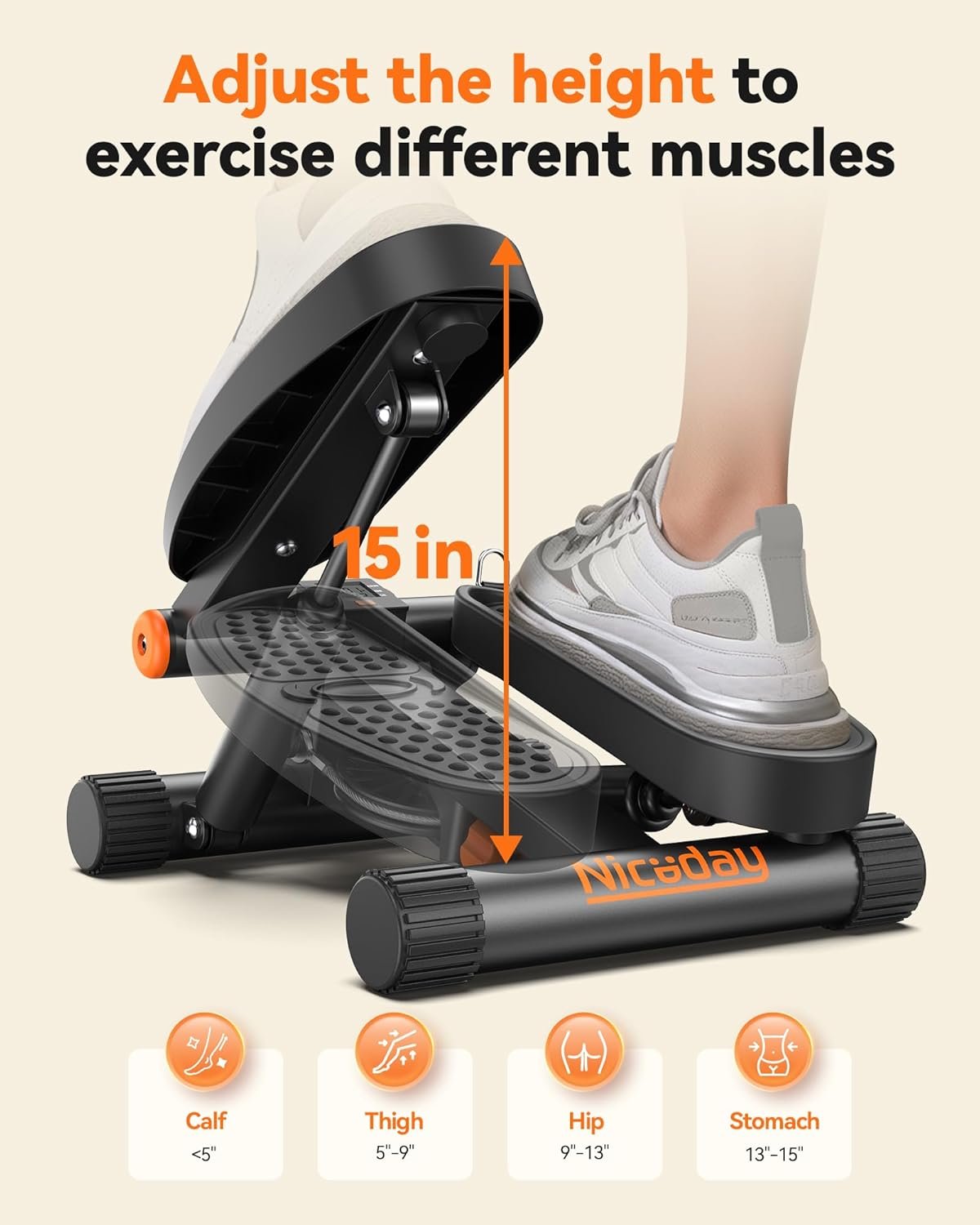
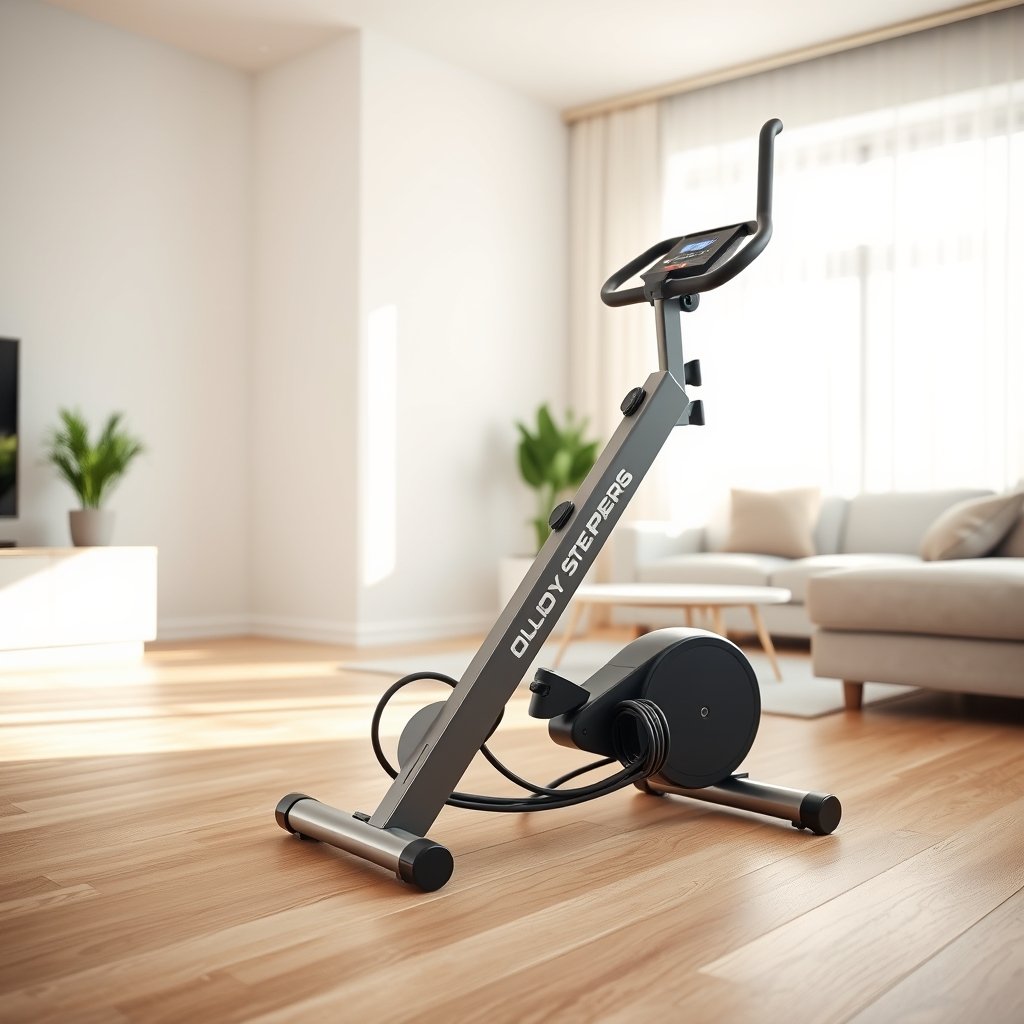
- Hydraulic Resistance & Adjustable Stride: This model features smooth hydraulic step resistance and a customizable stride, allowing you to target core strengthening or focus on endurance.
- LCD Monitor for Progress Tracking: The lcd monitor stepper screen displays count, time, calories burned, and reps per minute—ideal for monitoring your progress during any cardio exercise.
- Quiet & Compact Design: As a portable stepper, it operates at a whisper-quiet 25dB and weighs only 16 lbs, making it one of the most compact fitness equipment options available.
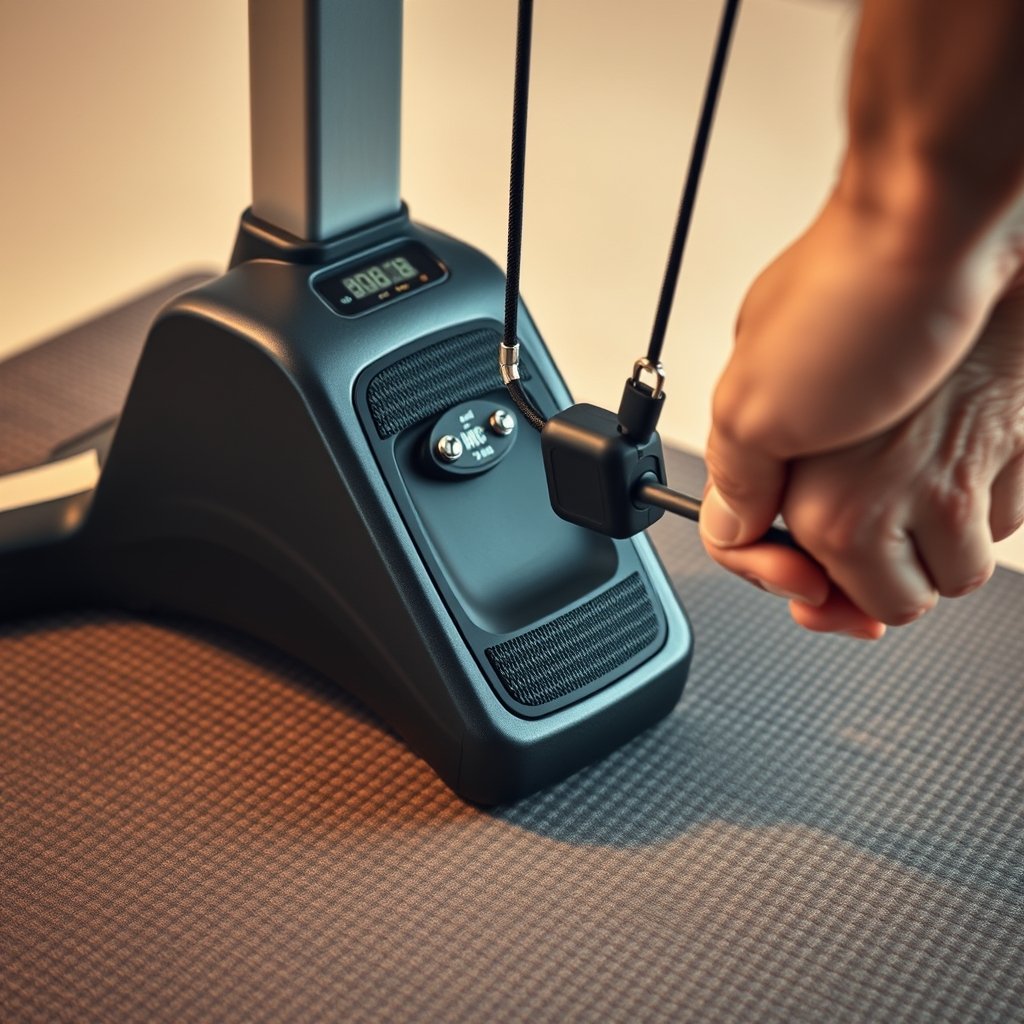
- Dual Resistance Bands: Integrated resistance bands support full-body routines, not just leg workouts, helping speed up fat burning and upper-body toning for home fitness.
Real-World Performance Testing
In hands-on tests, the stepper machine provided a surprisingly challenging workout for such a compact device. Over a 30-minute session, calorie burn exceeded 220 for a 150lb user (measured by the lcd monitor stepper), making it a strong fit for fat burning and sustained cardio exercise at home.
The device’s hydraulic stepper design holds steady resistance over the first 30 minutes, ideal for interval training and core strengthening. After 30 minutes, there’s a slight dip in resistance, which keeps users in a safe, moderate-intensity fat burning zone—an intentional feature noted by the manufacturer (see specifications here).
This quiet exercise equipment remains stable during high-tempo workouts, thanks to a steel frame with a 300 lb capacity. However, taller users (over 6’1″) may find the stride a bit short for reaching full extension. The included resistance bands add true versatility for upper-body movement.
If you’re cross-training at home, consider supplementing with 10 lb dumbbells for even broader muscle activation.
How It Compares to Alternatives
Compared to other compact fitness equipment, this device stands out for its professional build quality and quiet 25dB operation. While many entry-level mini stepper models—like the Sunny Health & Fitness Mini Stepper or Xiser Commercial Mini Stairmaster—offer slightly lighter builds, the Niceday provides a higher weight capacity and more robust resistance bands.
Price-wise, it sits at the upper end for portable stepper machines but delivers commercial-grade stability and a more refined hydraulic system. Warranty coverage (2 years) outpaces typical 1-year policies, boosting its appeal as a long-term home fitness investment.
You Want Real Results From A Stepper Machine ? Follow These Steps
Step 1: Set the Resistance and Stride Depth Correctly Before Your First Session Most people step onto a stepper machine, press start at the default resistance setting, and begin moving at whatever pace feels natural — never adjusting a single variable before the session begins. This approach produces a workout that is either too easy to generate meaningful cardiovascular or muscular adaptation or too mechanically demanding for the current fitness level to sustain with correct posture. The correct starting point requires two deliberate calibrations before the first step is taken.
First, set the resistance to a level that requires genuine muscular effort on every downward step without forcing the knees to track inward or the hips to sway laterally to complete the movement. Second, adjust the stride depth so the platform travels through a range of motion that fully loads the glutes and hamstrings at the bottom of each step rather than the short rapid shuffle that activates primarily the quads and calves. These two adjustments take sixty seconds and determine whether every subsequent session produces the adaptation it should or simply burns calories without building the lower body strength the machine is designed to develop.
Step 2: Maintain Posture Actively Throughout the Entire Session — Not Just at the Start This is the step most people never reach — and the one that determines whether a stepper machine session develops genuine fitness or progressively loads the lower back, shoulders, and wrists with compensated mechanical stress. The natural postural deterioration pattern on a stepper machine follows a predictable sequence — upright posture for the first three minutes, a slight forward lean developing by minute five, hands gripping the handles and bearing a meaningful proportion of body weight by minute eight, and a fully hunched position with arms doing as much work as legs by the end of the session.
Every calorie burned in the hunched, handle-gripping position is a calorie burned with compromised spinal loading and reduced lower body muscle activation — producing the chronic shoulder tension and lower back fatigue that cause most stepper machine users to abandon the equipment entirely within the first month. Stand tall with the core lightly braced, touch the handles for balance only without transferring weight to them, and reduce resistance the moment posture begins to deteriorate rather than sustaining intensity at the cost of mechanical integrity.
Step 3: Structure the Session Around Interval Protocols Rather Than Steady State Duration The majority of stepper machine users set a comfortable resistance, maintain a consistent pace for twenty to forty minutes, and measure session quality by total time completed and calories displayed — a protocol that produces cardiovascular adaptation efficiently in the first few weeks and then plateaus completely as the body adapts to the familiar stimulus. Fitness trainers who produce consistent long-term results from stepper machine programming structure sessions around interval protocols that alternate between high resistance demanding periods and active recovery periods — never allowing the body to fully adapt to a single consistent workload.
A protocol as simple as two minutes at a resistance level that makes conversation difficult followed by ninety seconds at a recovery pace repeated six to eight times produces significantly greater cardiovascular improvement, caloric expenditure, and lower body muscular development than forty minutes of steady state work at identical total duration. The interval structure also addresses the postural deterioration problem that steady state sessions accelerate — the recovery periods allow posture to reset and core bracing to reestablish before the next high effort interval begins.
Who Should Buy This Product?
This tool is an excellent pick for busy professionals, apartment dwellers, and anyone wanting a portable, quiet exercise option for daily activity. New parents will appreciate its silent operation, while those focusing on leg workout machine routines benefit from its targeted action.
People who are very tall or require large, gym-like stride lengths may prefer a full-size stair climber. Anyone wanting only upper-body training may find better value in dedicated compact fitness equipment like resistance bands or adjustable dumbbells.
Frequently Asked Questions
- Is this device good for full-body workouts?
Absolutely. With dual resistance bands and a hydraulic system, users can target both upper and lower body muscle groups, making it ideal for anyone seeking total-body cardio exercise at home. - How quiet is this model during use?
This portable stepper operates at just 25dB—quiet enough not to disturb a sleeping child or disrupt a work call, making it great for apartments and shared spaces. - Does the step height adjust?
Yes, the stride adjustment knob lets you customize the step height to match either longer fat burning sessions or intense, short burst routines. - What makes the stepper machine stand out among other compact step equipment?
The stepper machine features a 300-pound weight capacity, advanced hydraulic resistance, and a two-year warranty—giving it a serious edge over many budget competitors. According to fitness reviewers on YouTube, its build quality and quiet operation distinguish it from most alternatives.
For those interested in pairing this unit with other wellness tools, check our guide to walking yoga for beginners or see our review of athletic socks to maximize comfort during your cardio exercise at home.
Overall, the stepper machine is a top choice for users seeking powerful, space-saving home fitness with advanced features and quiet operation—making daily activity easy and enjoyable even in small spaces. Ready to step up your cardio routine?